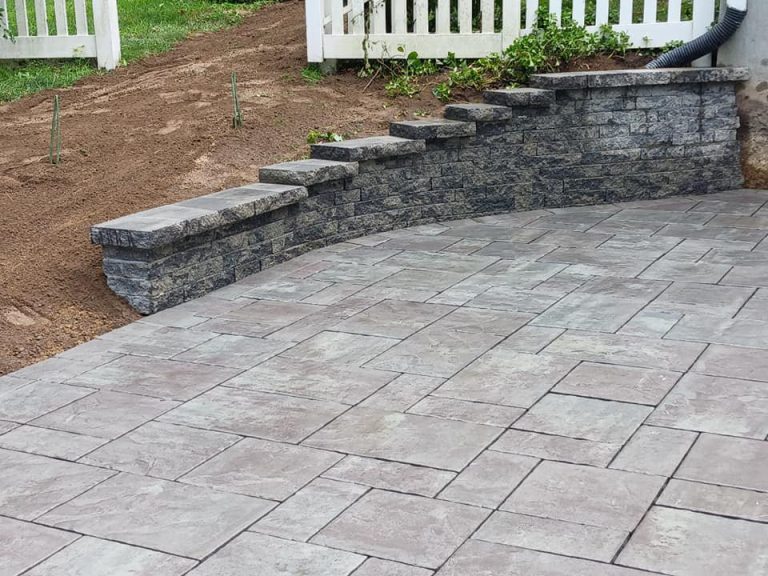
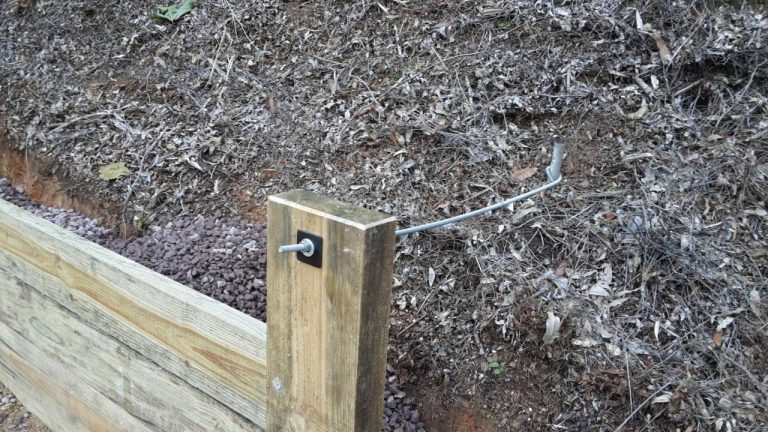
Commercial Retaining Wall Contractors Your Expert Guide
Commercial retaining wall contractors are essential for businesses needing sturdy and safe retaining walls. These professionals understand the unique design and construction requirements for commercial projects, which differ significantly from residential walls. From gravity walls to sheet pile walls, they navigate various wall types, ensuring structural integrity and longevity. Their expertise encompasses everything from initial design and material selection to meticulous construction and ongoing maintenance. Choosing the right contractor is critical to a successful project, so understanding their qualifications and experience is key.
This guide provides a comprehensive overview of commercial retaining wall contractors, covering essential aspects from selection criteria to construction, maintenance, and cost estimation. We’ll explore the critical factors to consider when choosing a contractor, the design considerations, construction processes, and the importance of long-term maintenance. Ultimately, this guide aims to equip you with the knowledge needed to make informed decisions throughout your retaining wall project.
Introduction to Commercial Retaining Walls: Commercial Retaining Wall Contractors
Commercial retaining walls are engineered structures designed to hold back soil or other materials, crucial for various business applications. These walls are essential in maintaining stable slopes, preventing erosion, and creating usable space on uneven terrain. They are frequently used in construction projects such as parking lots, warehouses, and industrial sites, where managing earth and slope stability is paramount.
Commercial retaining walls differ significantly from residential retaining walls in terms of design and construction. Commercial projects necessitate more rigorous calculations and analyses to account for heavier loads, larger areas, and potentially more complex site conditions. Construction standards and safety regulations are also more stringent for commercial structures, demanding adherence to specific codes and guidelines.
Key Differences Between Commercial and Residential Retaining Walls
Commercial retaining walls are often larger in scale and face greater loads compared to their residential counterparts. This necessitates more robust design considerations, including calculations for soil pressure, seismic activity, and anticipated traffic loads. Construction techniques and materials must also meet higher standards for durability, longevity, and resistance to potential damage. The design process for commercial walls typically involves detailed site assessments, geotechnical studies, and structural engineering calculations to ensure stability and longevity. Regulations and permits required for commercial projects are also more extensive than those for residential projects.
Importance of Proper Design and Construction
Proper design and construction are crucial in preventing property damage and ensuring safety. A poorly designed or constructed retaining wall can lead to significant issues such as slope failures, foundation damage, and even injuries. Careful consideration of soil conditions, water drainage, and structural integrity is vital to prevent costly repairs and ensure the safety of personnel and surrounding structures. Proper site preparation, careful material selection, and meticulous construction procedures are essential components of a successful project.
Types of Commercial Retaining Walls
Various types of commercial retaining walls exist, each with unique characteristics and applications. These include gravity walls, anchored walls, and sheet pile walls. Understanding the advantages and disadvantages of each type is critical in selecting the most appropriate solution for a specific project.
Gravity Walls
Gravity walls rely on their weight to resist the pressure of the retained soil. These walls are typically constructed from large, heavy materials like concrete or stone, requiring a substantial footprint. Gravity walls are often cost-effective and relatively simple to construct. However, they may require extensive site preparation and can be less flexible in accommodating complex site conditions. Their design is typically straightforward, and they perform well in stable soil conditions.
Anchored Walls
Anchored walls utilize external anchors to provide additional support, enabling them to resist greater soil pressures than gravity walls. These anchors are typically embedded deep into the ground, increasing the wall’s stability and load-bearing capacity. This design is particularly beneficial in areas with high soil pressures or seismic activity. Anchored walls are more adaptable to complex site conditions and can be designed to withstand more significant forces. However, the installation of anchors can be more complex and potentially more costly than other wall types.
Sheet Pile Walls
Sheet pile walls consist of interlocking steel or composite panels driven into the ground. These walls are highly effective in resisting lateral earth pressure and are often used in excavation support and waterfront applications. They are particularly useful in areas with challenging soil conditions, including soft or unstable soils. Sheet pile walls provide excellent stability and can be easily adapted to various site configurations. However, the installation process can be challenging, potentially requiring specialized equipment and expertise.
Comparison of Retaining Wall Types
| Wall Type | Materials | Cost | Lifespan | Advantages | Disadvantages |
|---|---|---|---|---|---|
| Gravity | Concrete, stone | Generally lower | Long (50+ years) | Simple design, cost-effective | Large footprint, less adaptable to complex sites |
| Anchored | Concrete, steel, other | Medium to high | Long (50+ years) | High stability, adaptable | Complex installation, higher cost |
| Sheet Pile | Steel, composite | High | Long (50+ years) | Excellent stability, versatile | Installation requires specialized equipment |
Contractor Selection and Qualifications
Source: com.au
Selecting the right commercial retaining wall contractor is paramount to the project’s success and longevity. A qualified contractor will ensure the structure meets safety standards, adheres to local regulations, and is built to withstand anticipated stresses. Careful evaluation of potential contractors is crucial for achieving a high-quality, durable final product.
Choosing a contractor involves more than just picking the lowest bidder. Thorough due diligence, understanding the contractor’s experience, licensing, and insurance coverage are vital steps to avoiding costly mistakes and ensuring the project is completed correctly. This involves a comprehensive review of their past projects, their compliance with regulations, and their financial stability.
Experience and Expertise
Evaluating a contractor’s experience is critical. A contractor with a proven track record in similar projects demonstrates a greater understanding of the challenges and complexities involved. Looking for projects that are comparable in scale, scope, and site conditions can offer insight into their abilities. Analyzing the contractor’s portfolio, which includes photographs, project descriptions, and client testimonials, can help in assessing their past performance. Consider their experience with different soil types and geological conditions, as these factors significantly impact retaining wall design.
Licensing and Insurance
Verifying a contractor’s licensing and insurance is essential. A valid license ensures they meet the required standards and regulations of the jurisdiction where the project is located. This includes ensuring the contractor has the appropriate permits and licenses to operate in that specific region. Adequate liability insurance protects both the client and the contractor in case of accidents or damages during construction. A contractor with comprehensive insurance demonstrates financial responsibility and safeguards against potential liabilities.
Questions for Potential Contractors
Thorough questioning during the selection process is crucial. Here are some examples of important inquiries to pose to potential contractors:
- Describe your experience with retaining walls of similar size and complexity to this project.
- Can you provide references from previous clients for verification of your work?
- What is your approach to managing potential site challenges, such as unusual soil conditions or access restrictions?
- What is your insurance coverage, and how do you handle potential claims or liabilities?
- Can you provide detailed documentation of your company’s past projects and their outcomes?
These inquiries allow for a more in-depth understanding of the contractor’s capabilities and reliability.
Evaluating Bids and Proposals
Evaluating contractor bids and proposals requires a systematic approach. A comprehensive evaluation should consider not only the price but also the quality of the materials, the proposed design, the schedule, and the contingency plan. Scrutinizing the proposed timeline for completion, the use of specified materials, and the contingency plan for unforeseen issues is essential. Comparing proposals based solely on price may lead to inferior results. The proposal should detail the design, materials, construction methods, and potential risks, as well as the proposed timeline.
Required Licenses and Certifications
The specific licensing and certifications required for commercial retaining wall contractors vary by location. A table outlining the typical requirements in various regions provides a general overview:
| Region/State | Required Licenses/Certifications |
|---|---|
| California | General Contractor License, potentially specialized retaining wall licenses |
| New York | General Contractor License, permits specific to the project type |
| Florida | General Contractor License, adherence to state building codes |
| Texas | General Contractor License, local permits, and inspections |
Note: This table provides a general overview. Specific requirements may vary based on local ordinances and regulations. It is essential to consult with local authorities for the most current and precise requirements in the specific region of the project.
Design and Engineering Considerations
Commercial retaining walls require meticulous design and engineering to ensure stability and longevity. Proper consideration of soil conditions, drainage, and structural integrity is paramount to prevent costly repairs or failures. A comprehensive design process, encompassing site assessment and material selection, is crucial for successful construction.
Soil Analysis and Site Assessments
Accurate soil analysis is fundamental to designing a stable retaining wall. This involves evaluating the soil’s bearing capacity, permeability, and potential for erosion or settlement. A thorough site assessment is also necessary to understand the topography, existing utilities, and potential environmental factors. This assessment should include identifying any potential issues, such as bedrock variations, water table fluctuations, or nearby structures that could affect the wall’s performance. Understanding these factors ensures the wall is designed to withstand expected stresses and prevent future issues.
Drainage Systems
Effective drainage is vital for preventing water buildup behind the retaining wall. Water pressure can significantly impact the stability of the wall. Proper drainage systems, including weep holes, French drains, or other appropriate drainage methods, are crucial for managing groundwater and surface water. These systems should be carefully designed and incorporated into the wall’s overall structure to ensure that water is effectively channeled away from the wall base.
Structural Integrity and Stability
Structural integrity and stability are paramount in retaining wall design. The design must account for the forces exerted on the wall by the retained soil mass. Factors like soil type, height of the wall, and the angle of repose of the soil need to be considered. A sound design ensures the wall can withstand these forces without compromising its integrity or causing damage to adjacent structures. This includes ensuring appropriate foundation depths and using materials with sufficient strength and load-bearing capacity.
Material Selection
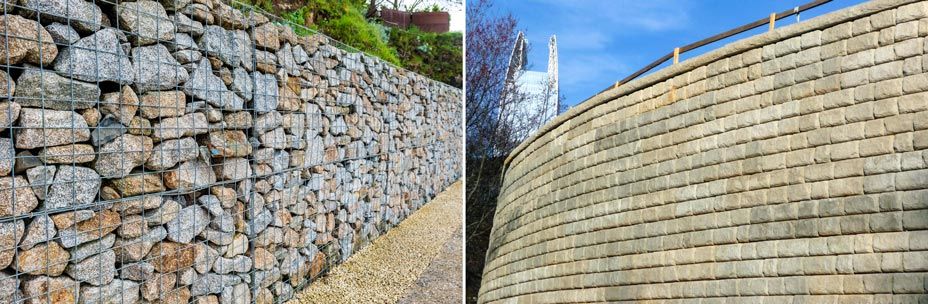
The choice of material for a commercial retaining wall significantly impacts its cost, aesthetic appeal, and longevity. Common materials include concrete, stone, and steel. Concrete offers excellent strength and durability but may be more expensive than other options. Stone retaining walls provide a natural aesthetic but require careful selection and installation to ensure stability. Steel, often used in combination with other materials, provides high strength and can be a cost-effective solution in certain situations. The optimal material selection depends on factors like budget, aesthetic preferences, and the specific site conditions.
Different Soil Types and Their Impact
| Soil Type | Impact on Retaining Wall Design |
|---|---|
| Clay | Clay soils tend to be problematic due to their low permeability and potential for swelling and shrinkage. Careful consideration must be given to drainage and the use of appropriate geotextiles. |
| Sand | Sandy soils typically have high permeability, allowing water to drain easily. However, they can be prone to settlement if not compacted properly. |
| Silt | Silt soils exhibit characteristics of both clay and sand. Their behavior can be unpredictable, requiring careful analysis to determine appropriate design parameters. |
| Rock | Rock soils provide excellent stability but may require specialized excavation and anchoring techniques. The design must account for the specific characteristics of the rock strata. |
Comprehensive Retaining Wall Design Process
A comprehensive retaining wall design process is a multi-step procedure. It requires a methodical approach to ensure the wall’s stability and longevity.
- Site Investigation and Soil Analysis: Detailed site surveys, including topographical mapping, soil testing, and groundwater investigations, are critical to understanding the site’s conditions.
- Design Calculations: Engineering calculations are performed to determine the wall’s dimensions, materials, and drainage systems to ensure structural integrity and stability.
- Drainage System Design: A proper drainage system is designed to manage water flow around and behind the wall.
- Material Selection: Choosing the most appropriate materials based on factors like cost, aesthetics, and durability is essential.
- Construction Drawings: Detailed drawings are prepared to guide the construction process, ensuring the wall is built according to the design specifications.
- Construction Supervision: Expert supervision during construction is necessary to ensure quality control and adherence to the design.
Construction Process and Materials
The construction of a commercial retaining wall is a complex process requiring careful planning, precise execution, and adherence to stringent safety protocols. This section details the key steps, materials, and safety considerations essential for successful project completion. A robust and well-constructed retaining wall is critical for maintaining stability and preventing costly damage to adjacent structures and property.
Site Preparation
Proper site preparation is paramount to the success of any retaining wall project. This involves meticulously clearing the area of vegetation, debris, and unsuitable soil. The site needs to be leveled and compacted to ensure a stable foundation for the wall. Precise grading is crucial for proper drainage and to avoid future issues. Identifying and removing any existing utilities, like buried pipes or cables, is also vital before construction begins.
Foundation and Excavation
Foundation preparation includes excavating the required trench, ensuring the correct depth and dimensions. The bottom of the trench is carefully leveled and compacted to ensure a firm base for the retaining wall. Installing a proper drainage system within the foundation is essential to prevent water accumulation and potential soil erosion. The use of geotextiles or other drainage materials may be necessary, depending on the site conditions.
Wall Construction
The construction of the retaining wall involves the meticulous placement of chosen materials. This includes the proper layering of backfill, concrete or other materials for wall construction, and ensuring the correct slope and compaction of materials. The structural integrity of the wall depends heavily on the quality of construction at this stage. Carefully following the design specifications is critical to maintain the stability and desired performance of the wall.
Backfilling and Drainage
Backfilling involves placing the chosen soil or granular material behind the retaining wall. Careful compaction is necessary to prevent settlement and ensure the stability of the wall. A properly designed drainage system, such as weep holes or drainage pipes, is critical to manage groundwater and prevent water accumulation behind the wall. This prevents potential water pressure issues that could damage the wall or surrounding structures.
Final Inspection and Quality Control
Thorough inspection at each stage is vital. Professionals evaluate the wall’s construction against the design specifications. This includes verifying the structural integrity, proper installation of materials, and adherence to safety regulations. This final inspection is crucial to ensure the wall meets the required standards and addresses any potential issues.
Materials Used in Commercial Retaining Walls, Commercial Retaining Wall Contractors
A variety of materials are used in commercial retaining wall construction, each with its characteristics. Selection of the appropriate material depends on factors such as budget, site conditions, and the desired aesthetic.
- Concrete: Known for its high compressive strength, concrete is a common material for retaining wall construction. Its durability and resistance to weathering make it a reliable choice for long-term stability. However, concrete can be heavy and expensive.
- Stone: Natural stone, including various types of rock, offers a natural aesthetic and can be quite durable. Different types of stone have varying strength and durability. The cost of natural stone can vary greatly depending on the type and availability.
- Steel: Reinforced steel provides exceptional tensile strength and can be used in conjunction with other materials to increase the overall stability of the wall. Its corrosion resistance is critical, requiring proper protective coatings.
- Geosynthetics: Geosynthetic materials like geotextiles and geomembranes are used to improve drainage and separation. These materials play a crucial role in preventing soil erosion and ensuring the long-term performance of the retaining wall. They are relatively inexpensive and can offer significant benefits.
Importance of Installation Techniques
Proper installation techniques are essential for ensuring the structural integrity and safety of a commercial retaining wall. Careful adherence to construction plans and specifications, as well as appropriate quality control measures, is critical to a successful outcome.
| Material | Properties | Advantages | Disadvantages |
|---|---|---|---|
| Concrete | High compressive strength, durable, resistant to weathering | Long-term stability, reliable | Heavy, expensive |
| Stone | Natural aesthetic, durable | Natural look, potentially cost-effective | Varying strength, potential for weathering |
| Steel | High tensile strength, corrosion resistant | Strength, stability | Potential for corrosion, more complex installation |
| Geosynthetics | Improve drainage, separation | Cost-effective, improve soil stability | May require specialized installation |
Safety Precautions and Regulations
Construction contractors must adhere to strict safety regulations during the construction of retaining walls. This includes using appropriate safety equipment, such as hard hats, safety glasses, and work gloves. Proper training and adherence to local regulations and permits are essential. These measures mitigate potential hazards and ensure the safety of workers.
Maintenance and Repair
Proper maintenance is crucial for the longevity and structural integrity of commercial retaining walls. Neglecting regular upkeep can lead to costly repairs and potential safety hazards. Proactive maintenance significantly reduces the risk of damage and extends the lifespan of these vital structures.
Maintaining a commercial retaining wall is a multifaceted process encompassing inspections, addressing drainage issues, and promptly dealing with any signs of deterioration. This proactive approach ensures the wall’s continued stability and protects the surrounding property. By understanding common causes of damage and employing appropriate maintenance schedules, owners can safeguard their investment and prevent costly repairs.
Importance of Regular Inspections
Regular inspections are paramount for identifying potential problems early. Thorough visual assessments can detect cracks, settlement, or signs of water damage, enabling timely intervention and preventing escalation. Inspections should cover the entire retaining wall, including the drainage system and the surrounding soil. Identifying issues early is key to preventing more significant problems and costly repairs.
Inspecting and Maintaining Drainage Systems
The drainage system is critical to a retaining wall’s stability. Proper drainage prevents water from accumulating behind the wall, reducing hydrostatic pressure and minimizing soil erosion. Inspecting drainage pipes and channels for blockages or clogs is essential. Regular cleaning and maintenance of the drainage system are vital for maintaining the wall’s structural integrity.
Inspecting and Maintaining Soil Conditions
The soil behind a retaining wall significantly impacts its performance. Inspecting the soil for signs of erosion, instability, or excessive moisture is crucial. Ensuring proper compaction and drainage around the wall base is vital to prevent soil settlement and movement. Maintaining the proper soil conditions behind the retaining wall is essential to its overall stability and performance.
Common Causes of Retaining Wall Damage
Several factors can contribute to retaining wall damage. These include improper design, inadequate drainage, soil instability, and excessive hydrostatic pressure. Poor soil compaction can lead to wall settlement, while inadequate drainage can cause water accumulation and soil erosion. Understanding the potential causes of damage is crucial for implementing preventive measures.
Maintenance Schedule
| Wall Type | Inspection Frequency | Maintenance Tasks |
|---|---|---|
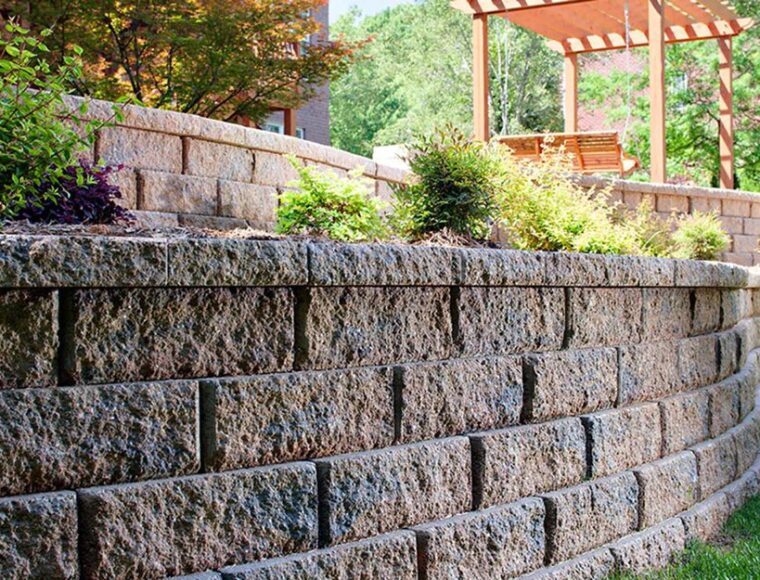
| Concrete Block | Quarterly | Visual inspection for cracks, settlement, drainage system check, and soil compaction check. |
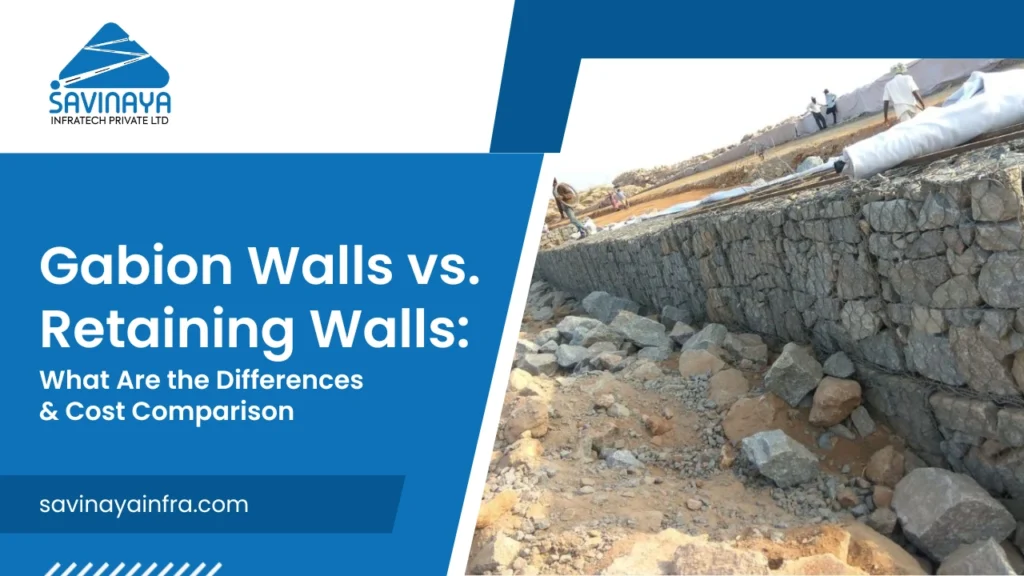
| Gabion | Semi-Annually | Visual inspection for gaps, material stability, drainage system check, and soil erosion check. |
| Masonry | Annually | Thorough visual inspection; check for mortar deterioration; drainage system check; soil stability assessment. |
Contacting a Contractor for Repairs
When dealing with significant repair issues or maintenance concerns, contacting a qualified retaining wall contractor is essential. Experienced professionals can assess the situation, provide expert recommendations, and ensure the repair work is executed correctly and safely. They can offer valuable insight into the problem, recommend solutions, and oversee the repair process. This is vital to preventing further damage and ensuring the wall’s longevity.
Cost Estimation and Budgeting
Accurately estimating the cost of a commercial retaining wall project is crucial for successful project management. Understanding the factors influencing the price and developing a comprehensive budget helps avoid costly surprises and ensures project completion within the allocated resources. A well-defined budget allows for informed decision-making, facilitating the selection of the most suitable materials and construction methods while adhering to established financial parameters.
Thorough cost estimation considers various elements, including material expenses, labor costs, permit fees, and potential contingencies. Proper budgeting allows for adjustments based on unforeseen circumstances and ensures the project remains financially viable throughout its lifecycle.
Factors Influencing Cost
Several factors contribute to the overall cost of a commercial retaining wall project. Material costs, including the type of retaining wall structure, soil stabilization methods, and landscaping materials, significantly impact the budget. Labor costs, dependent on the complexity of the project and the contractor’s experience, are another crucial element. Permits and inspections, required by local authorities, can add substantial expenses. Furthermore, unforeseen site conditions or design modifications can lead to additional costs.
Cost Breakdown for a Typical Project
A typical commercial retaining wall project’s cost can be broken down into several key components. A general cost breakdown might include:
| Category | Description | Estimated Percentage of Total Cost |
|---|---|---|
| Materials | Cost of concrete, stone, soil stabilization products, and other construction materials. | 30-40% |
| Labor | Contractor wages, site personnel, and specialized labor (e.g., excavation, concrete pouring). | 30-40% |
| Permits and Inspections | Fees are associated with obtaining necessary permits and conducting inspections throughout the construction process. | 5-10% |
| Contingency | Allowance for unforeseen circumstances, design changes, or material price fluctuations. | 5-10% |
| Professional Services (Engineering, Design) | Fees for engineering design, site surveys, and any additional professional consultations. | 5-10% |
| Landscaping (if applicable) | Installation of landscaping materials, plants, and other aesthetic enhancements. | 5-10% |
Note: These percentages are estimates and can vary significantly based on the specific project requirements and local factors.
Importance of Multiple Bids
Obtaining multiple bids and quotes from different contractors is paramount. This competitive process allows for a comparative analysis of pricing, services, and project timelines. Different contractors may employ varied strategies, impacting both the cost and the quality of the final product. Comparing bids provides valuable insight into the potential cost-effectiveness and reliability of different contractors.
Contingency Planning
Contingency planning for potential cost overruns is crucial. Unforeseen site conditions, material price fluctuations, or design modifications can significantly impact the budget. A contingency fund should be established to absorb these unexpected costs and ensure project completion. Building a contingency fund can protect the project from financial strain.
Developing a Detailed Budget
Developing a detailed budget for a commercial retaining wall project requires a comprehensive approach. First, gather detailed cost estimates for materials, labor, permits, and other expenses. Then, consider potential risks and establish a contingency fund to account for unforeseen circumstances. A detailed breakdown of expected expenses, along with projected timelines, is critical for successful project management. This approach will ensure the project stays within the predetermined financial constraints. A clear budget also facilitates the allocation of resources throughout the construction process.
Case Studies and Examples
Commercial retaining walls are crucial for stabilizing slopes and enhancing land use in various projects. Understanding successful implementations through case studies provides valuable insights into design, construction, and cost management strategies. These examples illuminate the diverse applications of retaining wall technology, showcasing both innovative approaches and the importance of careful planning.
Successful Commercial Retaining Wall Projects
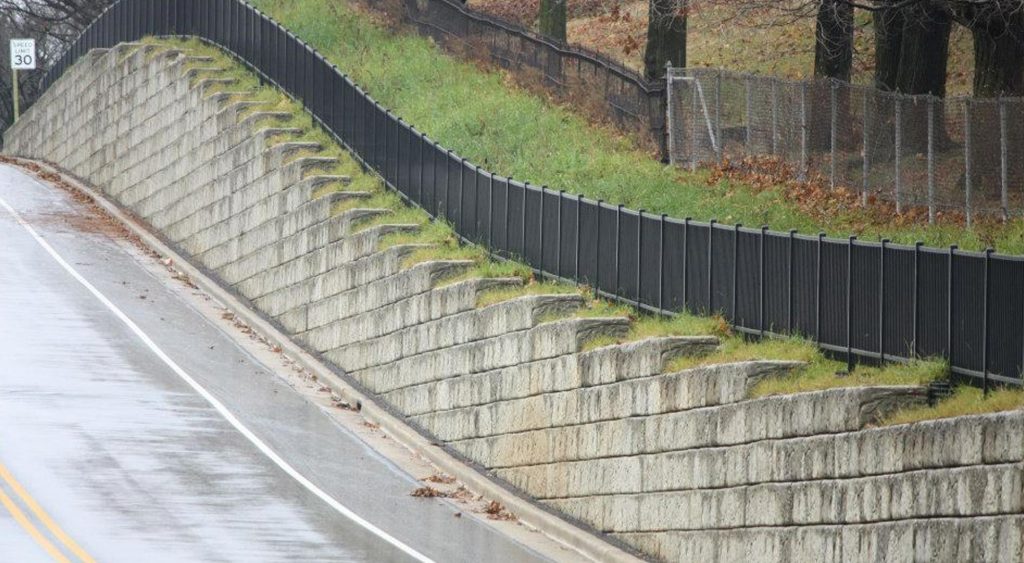
Various commercial projects demonstrate the effectiveness of well-designed and constructed retaining walls. A prime example is a retail development in a hilly terrain. The project required a complex retaining wall system to create level ground for the retail space. The design incorporated tiered retaining walls, utilizing reinforced concrete blocks for stability and aesthetic appeal. This approach successfully resolved slope challenges, maximizing usable space and creating a visually appealing environment.
Design Features of Successful Projects
Careful consideration of site-specific conditions is paramount. Successful designs incorporate geotechnical assessments, analyzing soil types, slope angles, and potential seismic activity. The design also considers drainage systems to prevent water accumulation behind the wall, a crucial element in preventing damage and maintaining stability. Aesthetics are also key. The chosen materials and construction techniques often integrate seamlessly with the surrounding landscape, preserving natural beauty. For example, landscaping features such as vegetation and retaining walls were designed to create a natural look and enhance the overall appeal of the space.
Construction Methods and Materials
Construction methods vary depending on the specific project needs and site conditions. One project employed a layered approach for the retaining wall, using interlocking concrete blocks. This method proved efficient in managing the construction process and minimizing disruption to the surrounding environment. Another project, in a high-traffic area, utilized a prefabricated system for rapid installation. This approach reduced project duration and minimized construction noise, allowing for faster completion. A key component is the selection of appropriate materials. Factors such as durability, strength, and aesthetic appeal must be considered. For instance, natural stone retaining walls provide a classic and durable aesthetic, while composite materials offer flexibility and modern design elements.
Cost Considerations and Budgeting
Comprehensive cost analysis is vital for any commercial retaining wall project. A key factor in cost management is the precise assessment of site preparation and soil stabilization needs. Detailed cost estimates, including material acquisition, labor, and potential contingencies, are crucial for project success. For example, a project in an urban area might have higher costs associated with excavation and site preparation due to the presence of existing utilities. Accurate budgeting ensures that the project remains within the defined financial parameters.
Importance of Site Preparation and Soil Stabilization
Proper site preparation and soil stabilization are foundational to the success of any retaining wall project. Improper preparation can lead to significant issues, such as wall instability and potential damage to adjacent structures. A crucial step is analyzing the soil composition and determining the appropriate stabilization methods, such as soil compaction or geotextile reinforcement. This meticulous preparation enhances the overall structural integrity and lifespan of the retaining wall. For instance, the installation of geogrids before wall construction can effectively improve the soil’s bearing capacity and reduce the risk of slippage.
Comparison of Retaining Wall Projects
| Project | Soil Type | Wall Material | Construction Method | Cost |
|---|---|---|---|---|
| Retail Development | Clayey | Reinforced Concrete Blocks | Tiered Construction | $150,000 – $200,000 |
| Parking Garage | Rocky | Precast Concrete Panels | Modular System | $250,000 – $350,000 |
| Residential Subdivision | Sandy | Natural Stone | Layered Construction | $100,000 – $150,000 |
The table above provides a basic comparison of different retaining wall projects, highlighting variations in soil type, materials, construction methods, and estimated costs.
Sustainable Materials in Commercial Retaining Wall Construction
The use of sustainable materials in commercial retaining wall construction is increasingly important. Recycled materials, such as crushed concrete or reclaimed stone, can reduce the environmental impact of the project while maintaining structural integrity. Using locally sourced materials can further minimize transportation costs and support local economies. For example, projects can incorporate permeable paving solutions that allow rainwater to infiltrate the ground, reducing runoff and stormwater management issues. Choosing eco-friendly materials demonstrates a commitment to environmental stewardship.
Outcome Summary
In conclusion, selecting the right commercial retaining wall contractors is paramount for a successful project. Understanding the various types of walls, contractor qualifications, design considerations, construction processes, and long-term maintenance needs is crucial. This guide has provided a detailed overview of these key elements. By thoroughly considering these factors, you can ensure a well-designed, structurally sound, and cost-effective retaining wall that safeguards your investment and property.