Felt Living Walls A Comprehensive Guide
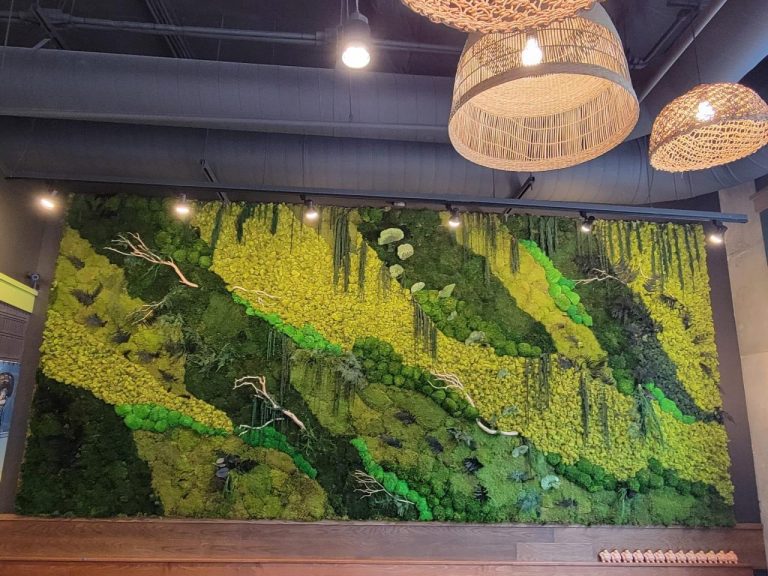
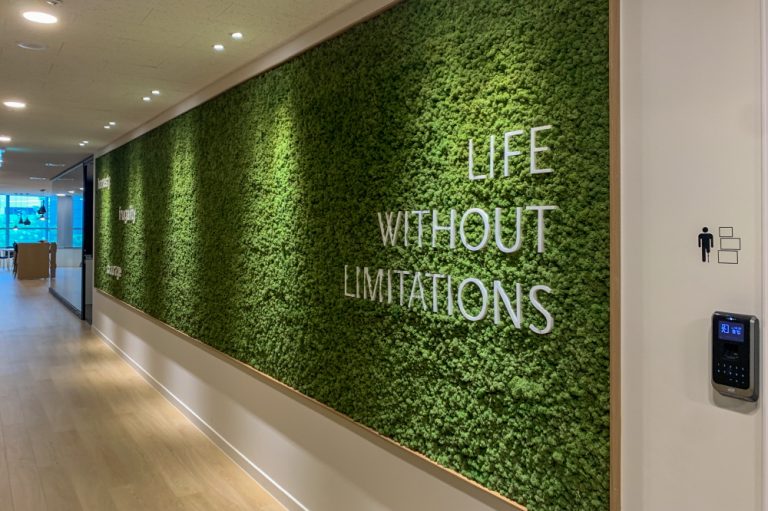
Felt living walls offer a unique approach to vertical gardening, combining the aesthetic appeal of a living wall with the distinct texture and properties of felt. This guide delves into the specifics of designing, constructing, and maintaining felt living walls, exploring their design considerations, environmental impact, and overall functionality.
From the initial concept to long-term care, this comprehensive overview will walk you through the process, considering various aspects such as materials, installation techniques, plant selection, and cost-effective strategies. We’ll also examine the environmental benefits and aesthetic advantages of this innovative approach to green design.
Introduction to Living Walls
Source: nxedge.io
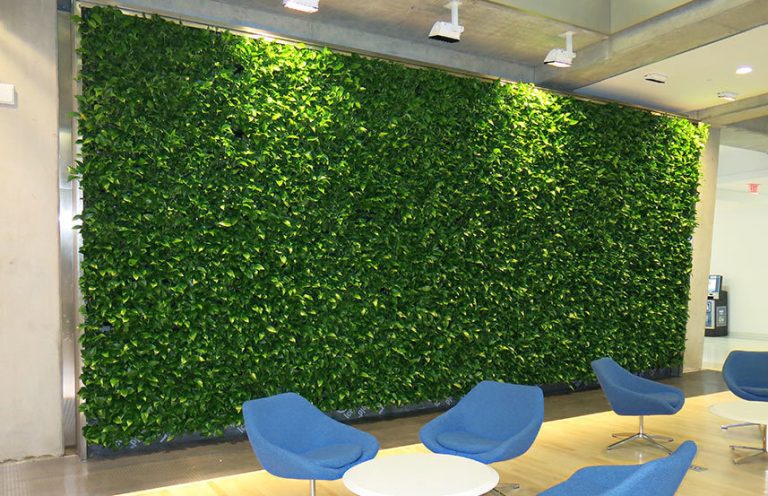
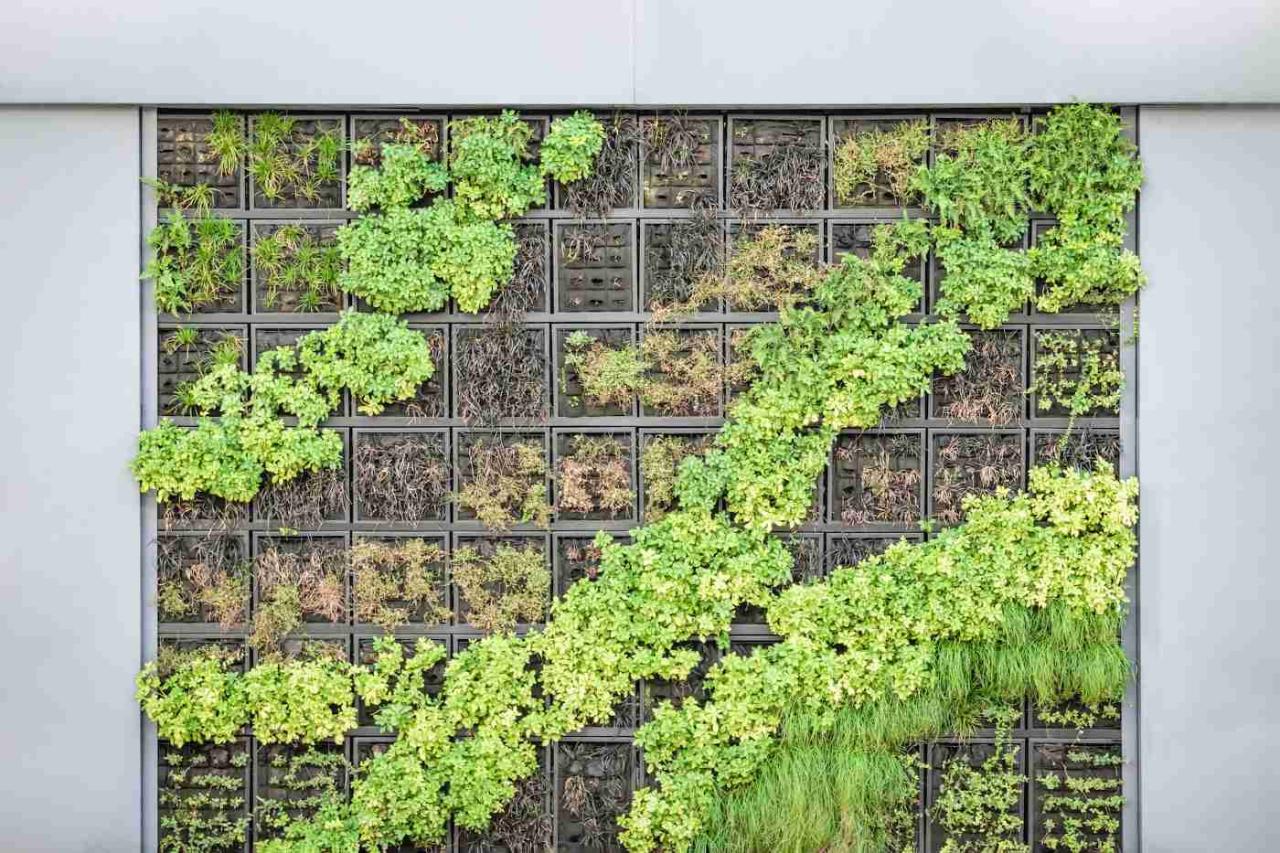
A living wall, also known as a green wall, is a vertical garden that uses plants to create a living aesthetic and functional feature. Key characteristics include the use of vertical planters, strategically placed plants, and a controlled irrigation system to support plant growth. Living walls can be installed indoors or outdoors, bringing a touch of nature into various environments.
Living walls are a multifaceted solution to integrating natural elements into urban and architectural landscapes. They offer diverse applications, from enhancing building aesthetics to improving indoor air quality and providing habitat for wildlife.
Types of Living Walls
Living walls encompass various types, each tailored to specific needs and aesthetics. Vertical gardens are a common type, often featuring a variety of plant species, arranged to create a visually appealing display. Green facades, another type, involve covering the exterior walls of buildings with vegetation. Other variations exist, including living wall systems designed for specific climates or environments, emphasizing sustainability and environmental benefits.
Materials and Components
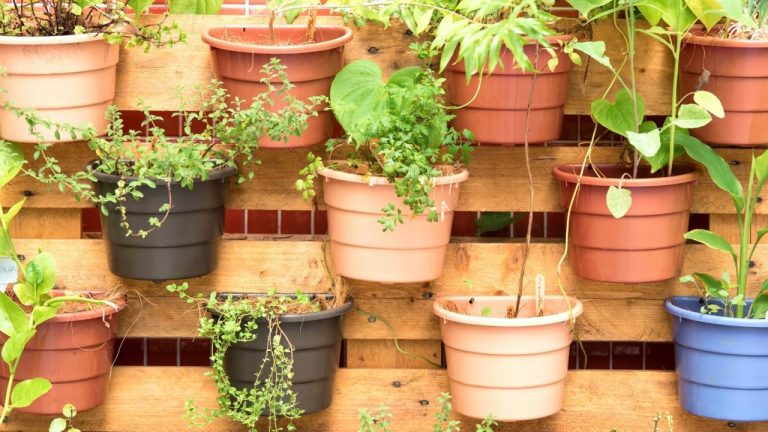
Living walls utilize a range of materials, each playing a crucial role in the structure and functionality of the system. These include the wall structure itself, the planter system, and the irrigation and drainage components. Different planter materials, such as wood, metal, or plastic, are used, each with its benefits and drawbacks in terms of durability, aesthetics, and maintenance. Irrigation systems, ranging from simple drip systems to more complex automated networks, are vital for maintaining healthy plant growth. Proper drainage is essential to prevent waterlogging and root rot.
Living Wall Designs
Living walls offer a wide array of design possibilities, catering to diverse aesthetic preferences and functional requirements. One design might incorporate a mix of low-maintenance succulents and drought-tolerant plants, ideal for a modern, minimalist aesthetic. Another could feature lush, vibrant foliage, creating a tropical ambiance. The design often depends on the specific location and intended purpose, whether for beautification, sound absorption, or improved air quality.
Pros and Cons of Living Wall Types
| Living Wall Type | Pros | Cons |
|---|---|---|
| Vertical Garden | Visually appealing, adaptable to various aesthetics, relatively easy to maintain, and offers variety in plant selection. | Can be more complex to install, requires careful consideration of plant spacing and needs, potential for water waste if not managed properly. |
| Green Facades | Enhance building aesthetics, contribute to insulation and thermal comfort, improve air quality, potential for increased property value. | More extensive installation, demanding in terms of planning and execution, costlier than vertical gardens, specific plant choices may be limited by the building’s structural limitations. |
| Hybrid Systems | Combining features of vertical gardens and green facades, offering customized solutions, potentially addresses some limitations of other types. | Complex design and installation require expertise in both vertical garden and green facade techniques, costlier to implement than simpler systems. |
This table summarizes the advantages and disadvantages of different living wall types, providing a comprehensive overview for informed decision-making. The optimal choice will depend on the specific project requirements and budget constraints.
Felt Living Walls
Felt living walls offer a unique approach to vertical gardening, leveraging the material’s unique properties for both aesthetic appeal and practical considerations. The soft texture and absorbency of felt create a distinct atmosphere, while its potential for moisture retention and insulation can impact the overall performance of the living wall system.
Felt, with its porous nature, can act as a medium for both water absorption and drainage, a crucial aspect in the successful establishment and maintenance of a living wall. Careful consideration of the felt’s properties, however, is vital to ensure optimal plant growth and longevity.
Unique Properties of Felt in Living Walls
Felt’s porosity and absorbency are key attributes in living wall applications. The material can hold moisture, reducing the frequency of watering needed for the plants. This characteristic, however, also necessitates careful consideration of drainage to prevent waterlogging. Furthermore, felt can offer insulation, moderating temperature fluctuations, and potentially contributing to a more stable microclimate for the plants.
Advantages of Using Felt in Living Wall Construction
Felt offers several advantages, including:
- Improved Moisture Retention: Felt’s absorbent nature can reduce the frequency of watering, particularly in drier climates or for certain plant types. This is a significant benefit in reducing the labor and water consumption associated with traditional living wall maintenance.
- Potential for Insulation: The material can insulate the plants from extreme temperature fluctuations, leading to more stable growth conditions. This can be particularly important in areas with significant temperature variations throughout the day or seasons.
- Aesthetic Appeal: Felt’s soft texture and varied colors can contribute to a unique aesthetic, offering a distinct visual appeal compared to other living wall substrates.
- Potential for Durability: High-quality felt can be durable and resistant to certain environmental factors, which could potentially extend the lifespan of the living wall system.
Disadvantages of Using Felt in Living Wall Construction
Using felt presents some drawbacks:
- Potential for Waterlogging: If not properly designed, the porous nature of felt can lead to waterlogging, harming the plants. Careful consideration of drainage and the type of felt used is crucial to mitigate this issue.
- Limited Structural Support: Felt alone may not provide sufficient structural support for larger or heavier plants, necessitating the use of additional reinforcement or backing materials.
- Maintenance Requirements: While felt can reduce watering frequency, it still requires regular maintenance, such as occasional cleaning and monitoring for signs of deterioration or pests.
- Potential for Mold or Mildew: Excessive moisture retention can create conditions conducive to mold or mildew growth, which can negatively impact the plants and the aesthetic of the living wall.
Examples of Felt Living Wall Projects
Examples of felt living walls are increasingly common in both residential and commercial settings. They often feature a variety of plants suited to the microclimate of the wall, ranging from low-maintenance succulents to more demanding leafy greens.
- A vertical garden in a contemporary apartment building utilized felt as a substrate for a diverse selection of air-purifying plants, demonstrating the potential for both aesthetic and functional applications.
- A retail store featured a vibrant wall covered in trailing vines, highlighting the adaptability of felt to different plant types and design aesthetics.
Potential Challenges Associated with Using Felt as a Living Wall Medium
Felt living walls can face challenges relating to moisture management and plant selection. These challenges include:
- Proper Drainage: Implementing effective drainage systems is crucial to prevent waterlogging and potential plant damage. A carefully designed drainage system is essential to avoid issues associated with excessive moisture retention.
- Selecting Appropriate Plants: The choice of plants is crucial, as some plants might not thrive in the specific microclimate created by the felt. Thorough research into plant compatibility with felt is essential.
Comparison of Felt Living Walls with Other Types
| Feature | Felt Living Walls | Other Living Wall Types (e.g., Foam/Mesh) |
|---|---|---|
| Maintenance | Moderate; requires regular monitoring for moisture and potential issues | Variable; depends on the specific substrate and plant selection |
| CostIt can | n varies; it depends on the quality of felt and other materials | Can vary significantly; often influenced by substrate and complexity |
| Aesthetic Appeal | Unique, soft texture; provides a distinct aesthetic | Can range from minimalist to ornate, depending on the substrate and plant choices |
Design and Construction Aspects: Felt Living Wall
Creating a felt living wall involves careful planning and execution. Proper design ensures the wall’s structural integrity and aesthetic appeal, while meticulous installation guarantees the long-term health and vibrancy of the plants. This section details the crucial aspects of designing, constructing, and maintaining a successful felt living wall.
Designing a felt living wall involves several key considerations. A thorough understanding of the chosen plant species’ needs is paramount, including sunlight requirements, water needs, and potential growth patterns. The overall aesthetic of the wall should also be carefully considered, integrating the design with the surrounding environment. The chosen plants and their arrangement can create visual harmony and contribute to the overall beauty of the space.
Designing a Felt Living Wall
Careful planning is crucial for a successful felt living wall. This involves assessing the available space, sunlight exposure, and the desired aesthetic. A detailed design, incorporating plant selection, arrangement, and structural support, is essential. A preliminary sketch or digital rendering aids in visualizing the final product.
Installing Plants and Living Elements
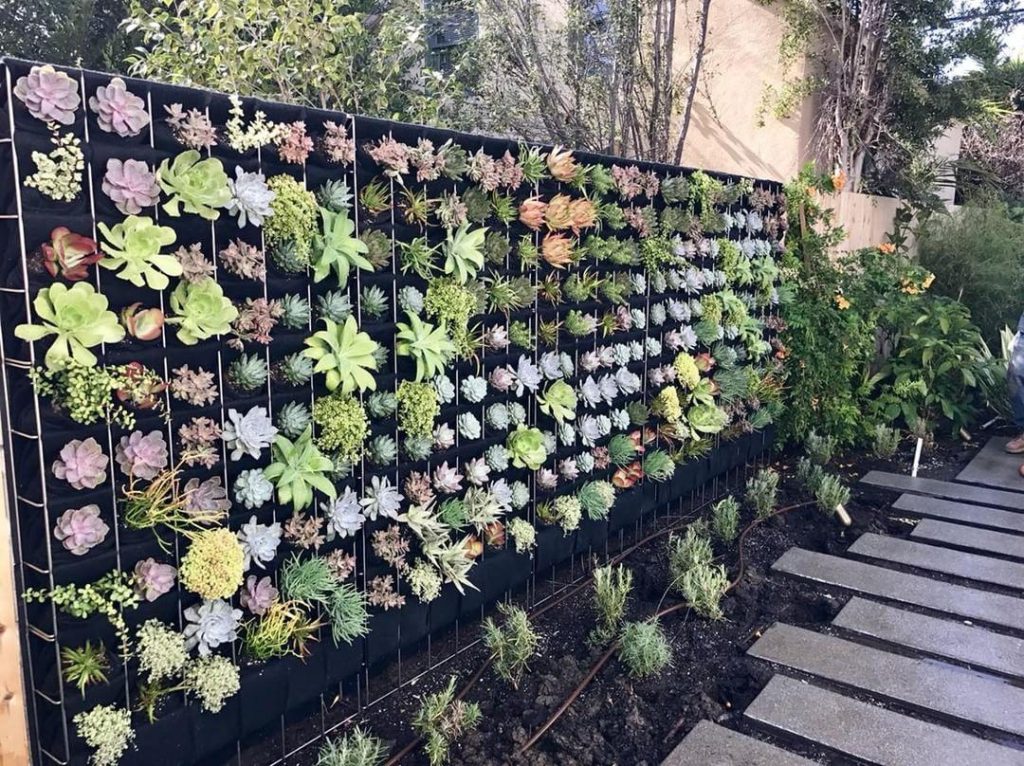
The technique for installing plants varies based on the chosen species. For example, small succulents might be affixed directly to the felt using a plant adhesive. Larger plants, like herbs or small shrubs, might be housed in small felt pockets or containers, attached to the wall. The crucial aspect is ensuring the plants’ roots have adequate space to develop while minimizing stress. Careful attention to plant spacing is essential to prevent overcrowding and allow for optimal growth.
Plant Selection Criteria
Selecting the right plants for a felt living wall is critical. Considerations include the plant’s tolerance for the specific environment (sun exposure, humidity, temperature). Furthermore, plants with similar watering needs and growth rates should be grouped to simplify maintenance. Native plants, adapted to the local climate, are often a good choice for resilience and minimal water requirements. Considering the plants’ mature size is also important for maintaining a balanced and visually appealing wall.
Maintaining and Caring for a Felt Living Wall
Consistent maintenance ensures the long-term health and aesthetic appeal of a felt living wall. Watering needs vary greatly depending on the chosen plants and environmental conditions. Regular watering and fertilization, following the specific requirements of the chosen plants, are crucial. Regular inspections for pests and diseases are also important, as early detection and treatment can prevent significant damage.
Felt Living Wall Installation Procedure
| Materials | Tools | Steps | Images |
|---|---|---|---|
| Felt fabric (various colors and textures), Plant adhesive, Plant pots (optional), Irrigation system (drip or mist), Soil mix, Plants (various species), Mounting hardware (hooks, brackets, or nails), Watering can | Scissors, Utility knife, Measuring tape, Drill, Level, Staple gun, Hammer | 1. Measure and mark the wall area for the felt living wall. 2. Prepare the felt fabric by cutting it into the desired shapes and sizes. 3. Secure the felt to the wall using the chosen mounting hardware. 4. Create plant pockets or containers in the felt. 5. Fill the pockets with the appropriate soil mix. 6. Carefully plant the chosen plants in the prepared pockets. 7. Establish an irrigation system for the wall, if needed. 8. Monitor the plants and adjust watering as needed. |
Imagine a step-by-step visual guide showing each stage of the process, from measuring the wall to the final planting. |
Environmental Impact and Sustainability
Felt living walls offer a compelling approach to integrating greenery into urban environments, presenting a unique set of environmental benefits. Their relatively low maintenance and modular design contribute to a more sustainable approach to green infrastructure compared to traditional landscaping techniques. These walls are designed to improve air quality, mitigate the urban heat island effect, and potentially reduce the overall carbon footprint of buildings.
The use of felt, a readily available and often recycled material, contributes to the sustainability of the entire system. Furthermore, the vertical nature of these walls allows for efficient use of space in densely populated areas, maximizing the environmental benefits in constrained urban environments.
Environmental Benefits of Felt Living Walls
Felt living walls, with their unique structure and properties, offer several environmental advantages. Their porous nature allows for optimal water retention and drainage, crucial for the health of the plants. The felt substrate’s ability to regulate moisture content reduces the need for excessive watering, leading to lower water consumption and minimizing environmental impact.
Role in Improving Air Quality and Reducing Urban Heat Island Effect
Felt living walls act as natural air filters, absorbing pollutants from the surrounding air. The presence of vegetation within the wall helps to reduce airborne particulate matter and gases, leading to cleaner air. Furthermore, the plants’ evapotranspiration process helps cool the surrounding environment, mitigating the urban heat island effect, which can have a significant impact on local temperatures. This is especially important in densely populated areas where concrete and asphalt surfaces absorb and retain heat.
Comparison of Carbon Footprint
The carbon footprint of felt living walls is generally lower compared to other types of green walls, especially those requiring extensive soil-based substrates. The reduced water usage and the lower material intensity in felt living walls contribute to a smaller carbon footprint during the production, installation, and maintenance stages. A comparison of the carbon footprint of different green wall types should consider the entire lifecycle, from material sourcing to disposal.
Contribution to Biodiversity and Local Ecosystems
Felt living walls can serve as microhabitats for various insects, birds, and other small animals. The vegetation provides food and shelter, enriching local biodiversity. By supporting a diverse range of species, these walls can enhance the overall health of the local ecosystem, creating a more balanced and resilient urban environment. Selecting native plant species further strengthens this contribution, supporting local ecosystems and minimizing the need for transport-related emissions.
Maximizing the Sustainability of Felt Living Walls
| Aspect | Method | Explanation |
|---|---|---|
| Material Sourcing | Prioritize recycled and locally sourced felt | Reduces transportation emissions and supports local economies. |
| Plant Selection | Choose native and drought-tolerant species | Reduces water consumption and supports local ecosystems. |
| Water Management | Implement efficient irrigation systems | Minimizes water waste and conserves resources. |
| Waste Management | Recycle or compost plant debris | Reduces landfill waste and promotes circularity. |
| Maintenance Practices | Employ low-impact maintenance techniques | Minimize chemical use and environmental disturbance. |
| Design Considerations | Optimize wall design for local climate and microclimate | Tailor the wall’s structure to local conditions for optimal performance. |
Aesthetic and Functional Applications
Felt living walls offer a unique blend of aesthetic appeal and functional benefits, transforming indoor and outdoor spaces. Their soft texture and adaptable nature make them highly versatile, suitable for a wide array of architectural styles and practical applications. From enhancing the visual appeal of urban environments to providing acoustic insulation and improved air quality, felt living walls have a growing role to play in modern design.
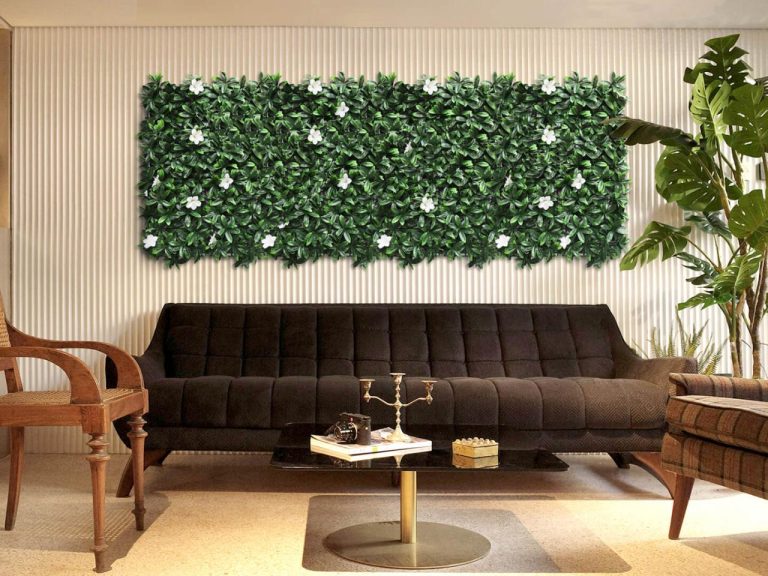
Felt living walls are exceptionally adaptable to various architectural styles. Their neutral color palette allows for a subtle yet impactful integration into different design aesthetics, from minimalist modern to rustic farmhouse. Their tactile qualities, combined with the organic growth patterns of the plants, create a dynamic and engaging visual experience. This inherent versatility allows for custom design solutions tailored to specific spaces and individual preferences.
Aesthetic Appeal in Different Architectural Styles
Felt living walls can be seamlessly integrated into diverse architectural styles. Their neutral color palette complements both modern and traditional designs. In contemporary architecture, the soft texture of the felt provides a striking contrast to clean lines and minimalist forms. Conversely, in rustic or farmhouse styles, the felt’s organic quality can create a sense of warmth and natural beauty, enhancing the overall ambiance. The interplay of the felt’s color and texture with the plants provides a visually captivating feature in any space.
Functional Roles in Enhancing Indoor and Outdoor Spaces
Felt living walls offer a range of functional advantages, enhancing both indoor and outdoor environments. In indoor applications, they can help improve air quality by absorbing pollutants and increasing humidity levels. In outdoor spaces, they can provide insulation and reduce noise pollution. The felt’s moisture-retention properties can also contribute to a more comfortable microclimate. The soft surface of the felt also provides a calming presence, particularly in high-traffic areas.
Visual Impact Compared to Other Green Walls
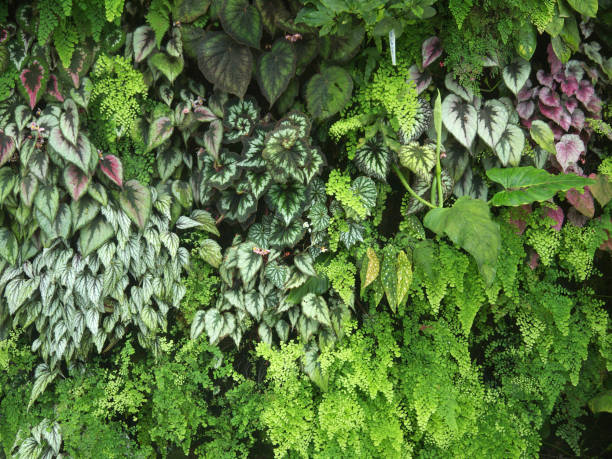
Felt living walls stand out from other green wall types in their unique visual character. Unlike traditional living walls that often showcase the plants themselves, felt living walls emphasize the backdrop. The plants’ presence within the felt framework creates a softer, more diffused visual impact. The felt provides a unique texture and color palette, resulting in a softer, more intimate aesthetic than some other vertical greenery solutions. The distinct feel of the felt adds a visual element that enhances the ambiance of the space.
Integration into Urban Environments
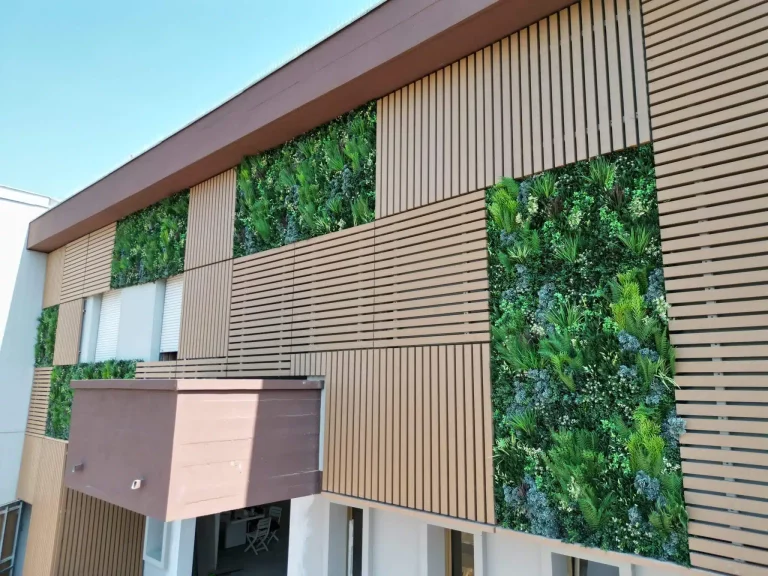
Felt living walls can be effectively integrated into various urban environments. They can be incorporated into building facades, balconies, or urban gardens. In high-density urban areas, these walls can create vibrant green oases, adding a touch of nature to concrete jungles. Their ability to filter pollutants and reduce noise levels makes them an attractive solution for revitalizing urban spaces. Considered a relatively low-maintenance solution, felt living walls can be easily integrated into existing infrastructure.
Creative and Innovative Applications
Felt living walls offer a multitude of innovative applications:
- Vertical gardens in urban apartments: Felt living walls are an ideal solution for adding a touch of nature to confined spaces, improving indoor air quality and reducing noise pollution.
- Acoustic barriers in public spaces: Felt living walls can be deployed as sound-absorbing elements in urban parks or along busy streets, reducing noise pollution and creating a more tranquil environment.
- Restaurant or cafe facades: The soft texture of felt living walls adds a unique touch to restaurant or cafe facades, creating a visually appealing and inviting atmosphere.
- Educational facilities: Integrating felt living walls into schools and kindergartens provides a dynamic and engaging learning environment.
- Community gardens: Felt living walls in community gardens can provide a soft, natural backdrop for plant growth, while offering a shared space for community interaction.
Maintenance and Long-Term Care
Felt living walls, while visually appealing and environmentally friendly, require ongoing maintenance to retain their aesthetic appeal and longevity. Proper care ensures the plants thrive and the wall structure remains intact. This section details the specific maintenance procedures, common issues, and long-term cost considerations.
Specific Maintenance Requirements, Felt living wall.
Maintaining a felt living wall involves a combination of regular inspections, watering, and occasional adjustments. The frequency of these tasks depends on factors like the climate, plant species, and the wall’s design. Consistent observation is crucial to identify any early signs of distress, allowing for prompt intervention.
Preventing and Resolving Common Issues
Several issues can affect the health of plants and the integrity of a living wall. Addressing these promptly is essential for maintaining a vibrant display. Common problems include overwatering, underwatering, pest infestations, and structural damage. Early detection and appropriate responses can significantly reduce the impact of these issues.
- Overwatering can lead to root rot and fungal diseases, potentially killing the plants. Regular monitoring of soil moisture and adjusting watering schedules accordingly is critical.
- Underwatering causes wilting and stress, reducing plant vigor. Monitoring soil moisture and adjusting watering frequency is vital.
- Pest infestations, such as aphids or spider mites, can damage plants and affect the overall aesthetic. Regular inspections and targeted treatments with natural pest control methods are crucial.
- Structural damage, such as tears or sagging in the felt material, might require repairs or replacements. Regular checks for any signs of wear and tear are necessary.
Maintaining Aesthetic Integrity
Regular pruning and shaping of plants maintain the desired aesthetic and prevent overcrowding. This can be tailored to the specific plant species and the desired visual effect. The appearance of the wall should be checked for any signs of uneven growth or dead plants.
Long-Term Cost of Maintenance
The long-term cost of maintaining a living wall is multifaceted. Initial investment in high-quality materials and professional installation contributes to lower long-term maintenance costs. Recurring expenses include plant replacements, pest control, and occasional repairs to the felt structure. An accurate estimate depends on factors such as plant selection, climate, and the frequency of maintenance procedures. For example, using drought-tolerant plants in a dry climate can reduce watering needs, leading to lower ongoing costs.
Comprehensive Guide to Maintaining a Felt Living Wall
| Task | Frequency | Description |
|---|---|---|
| Visual Inspection | Weekly | Check for signs of stress, pests, or structural damage. |
| Watering | As Needed | Monitor soil moisture; water deeply but avoid overwatering. |
| Pruning/Shaping | Monthly/Quarterly | Maintain plant density and shape to maintain aesthetics. |
| Pest Control | As Needed | Identify and address any pest issues using appropriate methods. |
| Structural Repairs | As Needed | Address any damage to the felt material or supporting structure. |
| Plant Replacement | Annually/Biennially | Replace plants that die or show signs of decline. |
Cost and Budget Considerations
Creating a felt living wall, while offering aesthetic and environmental benefits, necessitates careful consideration of its associated costs. Understanding the various expenses involved, from materials to labor, enables realistic budgeting and informed decision-making. This section delves into the detailed cost breakdown, comparing felt living walls with other green wall systems, and providing strategies for minimizing expenses.
Material Costs
The primary materials for a felt living wall are the felt panels themselves, the planting medium, and the plants. Felt material costs vary significantly based on the type of felt used, the size of the panels, and the desired aesthetic. Recycled or natural fibers tend to be more expensive than synthetic options. The quantity of felt required is crucial, as it directly impacts the overall cost. Planting medium, typically a combination of peat moss, perlite, and vermiculite, is also a substantial cost component. Prices fluctuate based on volume and quality. Choosing appropriate plants for the felt living wall is essential. Native species, known for their resilience and adaptability, often offer more cost-effective long-term solutions than exotic plants.
Labor Costs
Labor costs for installing a felt living wall can vary greatly depending on the complexity of the project, the size of the wall, and the availability of skilled labor. Installation can range from relatively simple to quite complex, with specialized techniques required for larger-scale projects. The cost of labor typically includes the installation of the felt panels, the preparation of the planting medium, and the planting of the selected species.
Maintenance Costs
Regular maintenance is essential for the long-term health and beauty of a felt living wall. This includes watering, fertilizing, and occasional pruning. The frequency and intensity of these tasks depend on the specific plant species and the local climate. Cost factors related to maintenance can include the cost of watering equipment, fertilizers, and the hiring of a professional gardener. The frequency of professional maintenance visits also significantly affects the long-term costs.
Comparison with Other Green Wall Systems
Felt living walls often compare favorably to other green wall systems in terms of initial costs. While advanced hydroponic systems can have high upfront costs, they can potentially reduce ongoing maintenance expenses. Other green wall systems, like living walls built with a concrete or metal frame, might have higher labor costs for installation. However, the specific cost-benefit analysis will depend on the specific project requirements and the longevity of the chosen system.
Strategies for Reducing Costs
Several strategies can help minimize the cost of creating a felt living wall. One approach is to use locally sourced materials whenever possible. This can often reduce transportation costs. Another option is to choose hardy, low-maintenance plant species. Using a less elaborate design for the felt wall itself can also save costs. For instance, simpler patterns or fewer panel types can reduce the overall material expenditure. Finally, if possible, consider a do-it-yourself approach to reduce labor costs.
Budget Breakdown for a Felt Living Wall Project
| Cost Category | Estimated Cost |
|---|---|
| Felt Panels | $1,500 |
| Planting Medium | $300 |
| Plants | $400 |
| Installation Labor | $2,000 |
| Tools and Equipment | $100 |
| Contingency Fund | $200 |
| Total Estimated Cost | $4,500 |
Epilogue
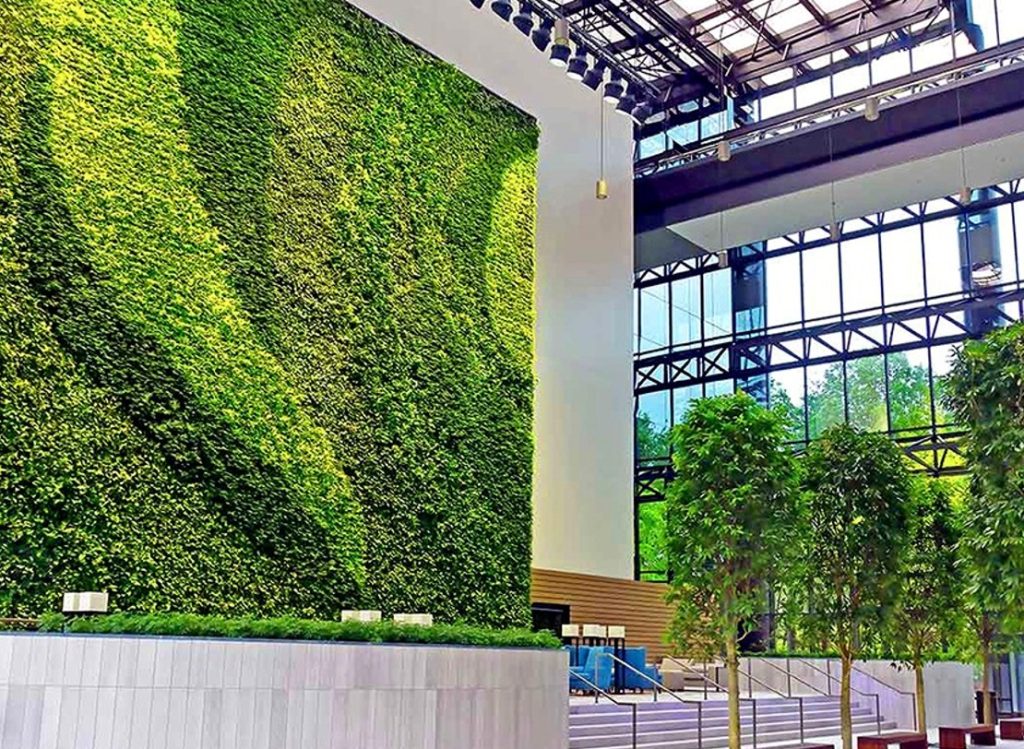
In conclusion, felt living walls present a compelling alternative to traditional green walls, offering a blend of aesthetics, functionality, and environmental benefits. This guide has highlighted the key considerations, from initial design to long-term maintenance, providing a thorough understanding of the advantages and challenges associated with this evolving green building technology. The unique properties of felt, combined with careful design and installation, pave the way for creating beautiful and sustainable living spaces.