Corten Steel Corrugated Panels A Comprehensive Guide
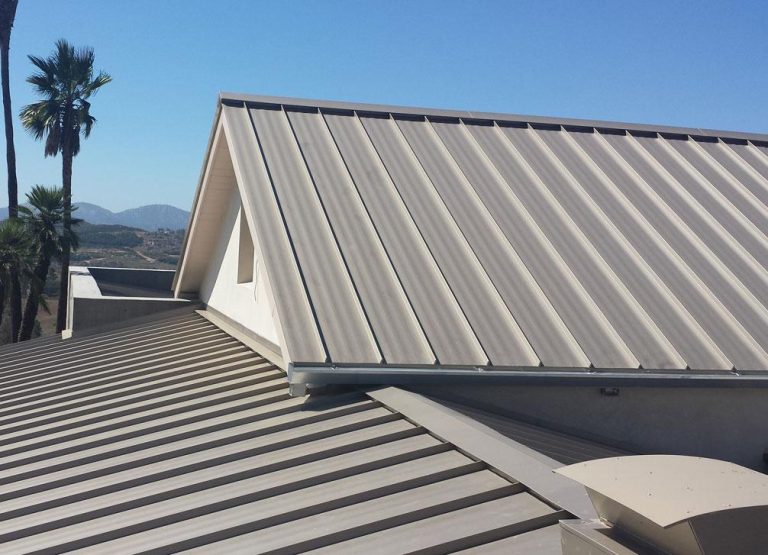
Corten steel corrugated panels offer a unique blend of aesthetic appeal and robust construction, making them a popular choice for diverse building applications. From residential homes to large-scale industrial projects, these panels showcase a striking visual presence while providing exceptional durability. This guide delves into the various aspects of corten steel corrugated panels, exploring their applications, manufacturing processes, performance characteristics, and maintenance requirements.
This comprehensive overview will explore the different types of applications, manufacturing methods, and essential maintenance strategies. Understanding these factors allows for informed decisions regarding the use of corten steel corrugated panels, ensuring optimal performance and longevity.
Corrugated Corten Steel Panel Applications
Corrugated corten steel panels offer a unique blend of aesthetic appeal and functional benefits, making them a versatile choice for various construction projects. Their rust-like patina develops over time, creating a distinctive, natural look that complements a range of architectural styles. This natural weathering process also contributes to their longevity and resilience.
Corten steel’s inherent durability, combined with its adaptability in different forms like corrugated panels, allows for creative design and effective solutions in various building types. From residential homes to large-scale industrial structures, the adaptability of corten steel is apparent.
Residential Applications
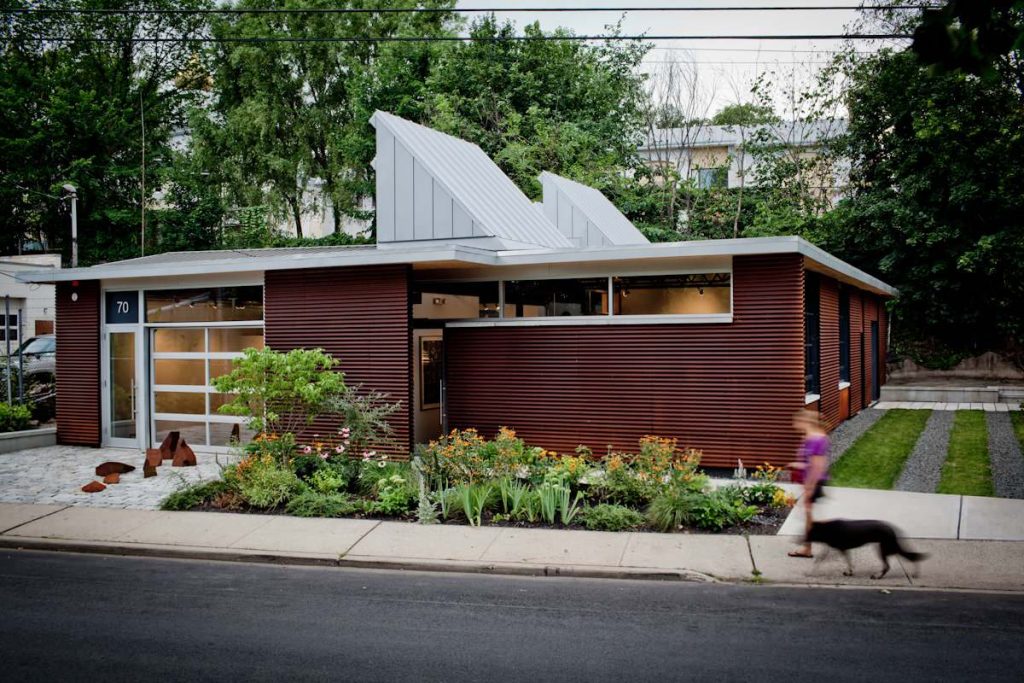
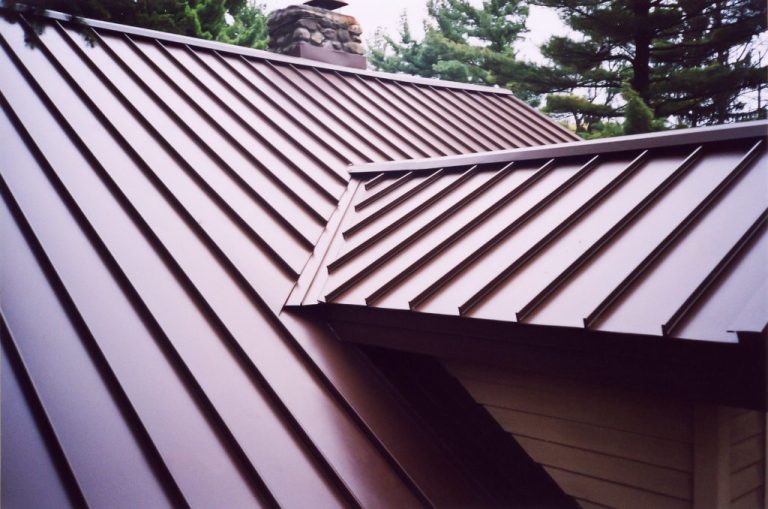
Corrugated corten steel panels bring a rustic charm to residential exteriors. Their durability makes them suitable for roofing and cladding, while their aesthetic qualities can create a unique and eye-catching appeal. Examples include homes with exposed beams or other architectural features, emphasizing a contemporary aesthetic. The natural weathering effect can be further enhanced by strategically placing the panels to showcase the development of the characteristic patina.
Commercial Applications
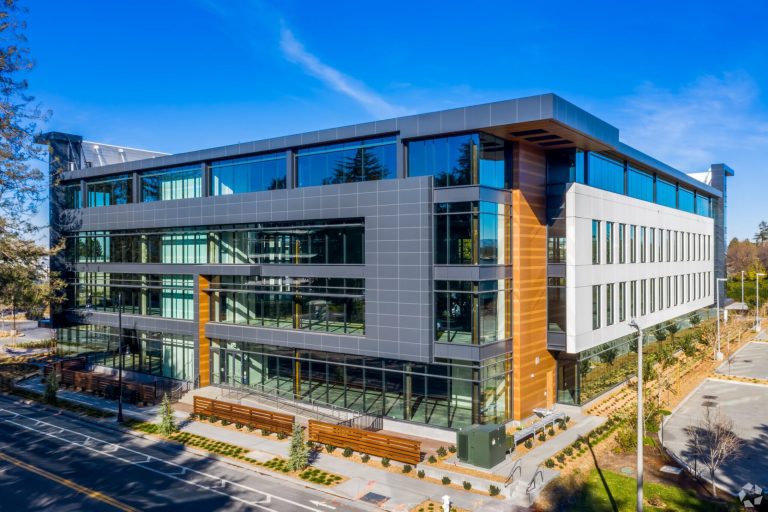
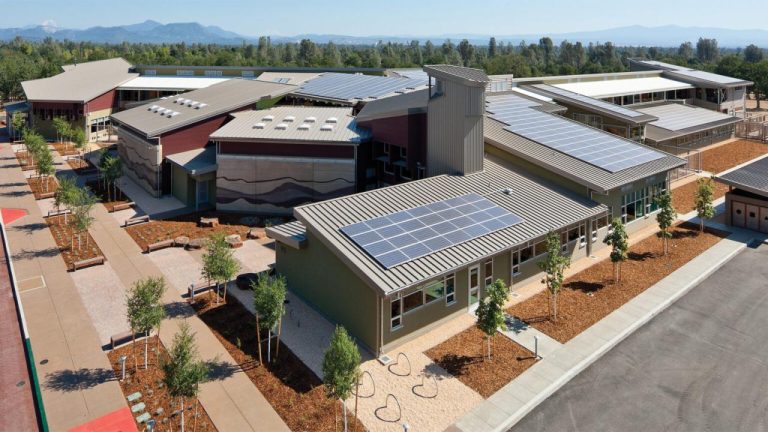
In commercial settings, corten steel panels offer both functional and aesthetic advantages. Their robust construction makes them ideal for facades and roofing of retail stores, restaurants, and other commercial spaces. The distinctive appearance can enhance brand identity and create a memorable visual impact. Projects often integrate corten steel panels with other materials, such as glass or concrete, to achieve specific design objectives. A prime example might be a modern office building with corten steel accents to emphasize its contemporary aesthetic.
Industrial Applications
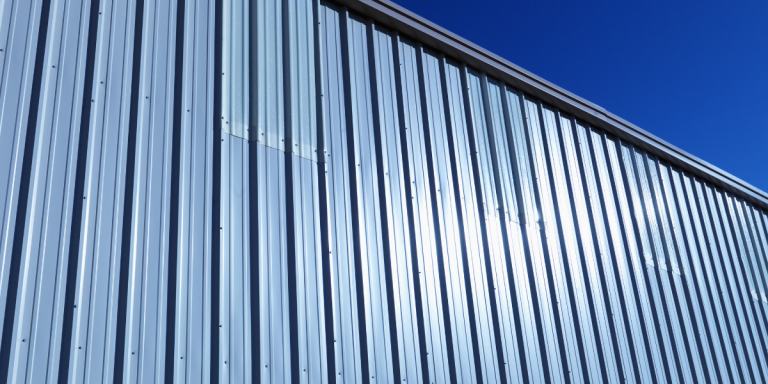
The inherent strength and resilience of corten steel make it a popular choice for industrial buildings. Warehouse exteriors, storage facilities, and other industrial structures benefit from the panels’ resistance to harsh weather conditions and their ability to withstand significant stress. The robust design of corrugated corten steel is suitable for heavy-duty applications where structural integrity is paramount. A good illustration of this would be a large manufacturing facility where corten steel panels provide both protection and a visually substantial presence.
Comparison with Other Materials
| Material | Strengths | Weaknesses |
|---|---|---|
| Corrugated Corten Steel | Aesthetically unique, durable, weather-resistant, naturally weathering, cost-effective (long-term), recyclable | Requires specialized installation, initial cost slightly higher than other options, and potential for rust stains. |
| Aluminum | Lightweight, corrosion-resistant, easy to install, and various colors | Less durable than corten steel, it can be susceptible to denting and may not withstand severe weather conditions as well. |
| Steel (Galvanized/Painted) | Strong, readily available, cost-effective | Requires regular maintenance (painting), is susceptible to rust, and is less aesthetically varied |
| Concrete | Durable, fire-resistant, long-lasting | Heavy, limited aesthetic options, not as weather-resistant as corten steel |
This table summarizes key differences between Corten steel and alternative roofing or cladding materials. It highlights the unique strengths and weaknesses of each option, allowing for informed decisions based on specific project needs. The table provides a quick reference guide for comparing materials and their suitability for various applications.
Manufacturing and Fabrication of Corrugated Corten Steel Panels
Corrugated corten steel panels offer a unique blend of aesthetic appeal and structural strength, making them a popular choice for various construction projects. Understanding the meticulous manufacturing and fabrication processes behind these panels is crucial for appreciating their durability and longevity. The precise control of each stage, from material selection to finishing, is key to achieving the desired qualities.
The manufacturing process for corten steel corrugated panels involves a series of carefully orchestrated steps, ensuring the final product meets the required specifications. Material selection, forming techniques, and finishing procedures all play a critical role in the overall quality and performance of the panels. Different corrugation patterns influence not only the aesthetic but also the structural integrity. Rigorous quality control measures are essential to guarantee the longevity and dependability of the panels.
Material Selection
Corten steel, known for its remarkable weathering properties, is the primary material. The selection process prioritizes consistent chemical composition and appropriate thickness to meet the intended load-bearing capacity and aesthetic requirements. Precise control over the alloying elements is vital to ensure the desired weathering characteristics. The grade of steel directly impacts the rate and pattern of the rusting process, contributing to the unique aesthetic of the final panel.
Forming Techniques
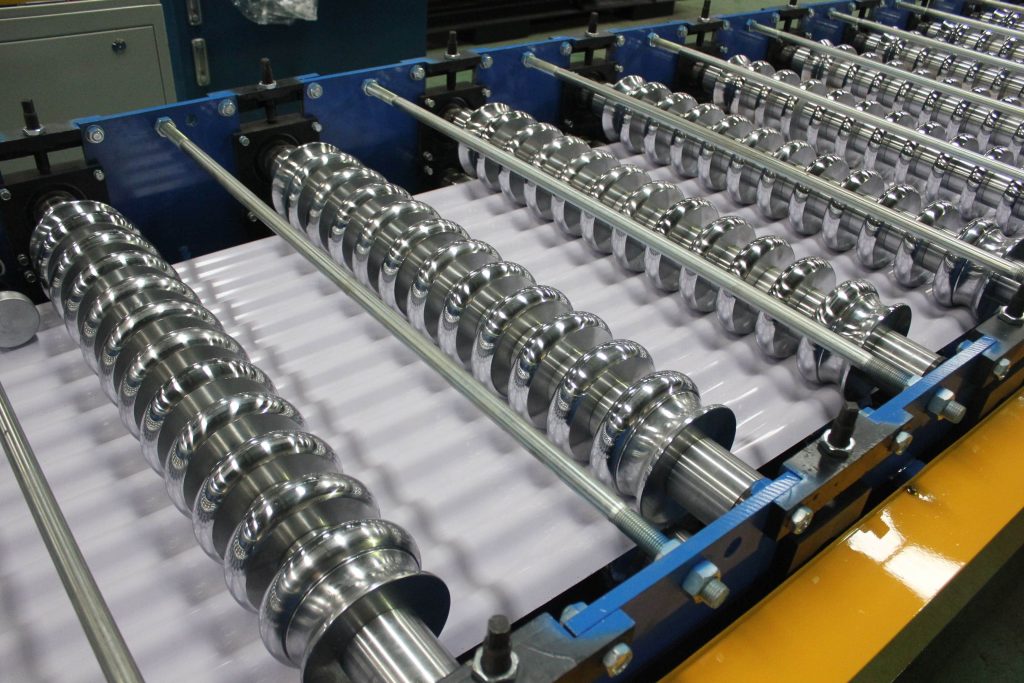
The shaping of corten steel into corrugated panels utilizes advanced forming techniques. Roll forming, a highly efficient process, is commonly employed. This method uses a series of rollers to precisely shape the steel into the desired corrugation pattern. The accuracy and precision of the rollers directly influence the uniformity of the corrugation and the overall aesthetic appeal of the final product.
Corrugation Patterns
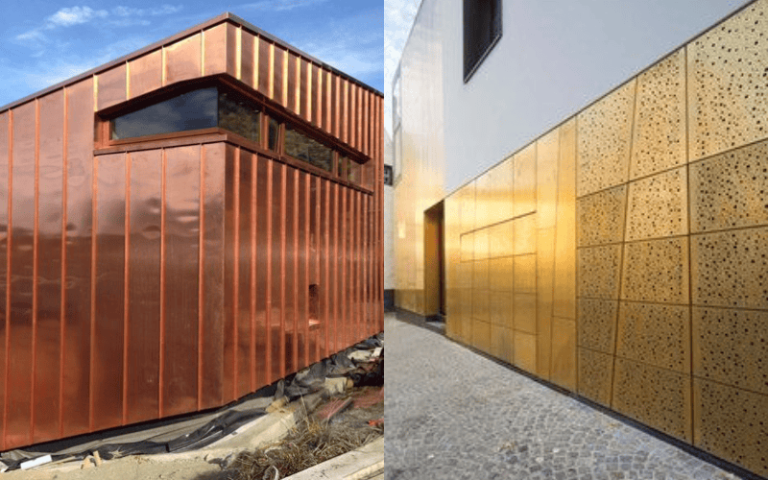
Different corrugation patterns significantly impact the structural performance and aesthetic appeal of the panels. A deeper corrugation provides increased stiffness and load-bearing capacity. Conversely, a shallower corrugation offers a more subtle aesthetic. The choice of corrugation pattern is driven by factors like the intended application, structural requirements, and desired visual effect. For instance, a deep corrugation might be appropriate for a load-bearing roof, while a shallow corrugation might suit a decorative façade.
Finishing Procedures
After the forming process, finishing procedures are essential for the panel’s long-term performance and appearance. Surface treatments, such as shot blasting, enhance the steel’s corrosion resistance and contribute to the aesthetic quality. These treatments also aid in achieving the desired rusting patterns and tones over time. Coatings can be applied to further protect the steel from the elements, if required for specific applications.
Quality Control Measures
Rigorous quality control procedures are implemented at each stage of the manufacturing process. This includes inspecting the raw material for defects and verifying the uniformity of the chemical composition. The forming process is meticulously monitored to ensure the consistency of the corrugation pattern. Visual inspection and dimensional checks are carried out throughout the process to identify and rectify any potential issues. Non-destructive testing methods may also be employed to evaluate the internal integrity of the panels.
Fabrication Process Steps, Corten steel corrugated panels
| Step | Description |
|---|---|
| 1. Raw Material Inspection | Verification of chemical composition, thickness, and presence of defects. |
| 2. Material Preparation | Cutting and preparing the steel sheets to the required dimensions. |
| 3. Roll Forming | Shaping the steel into the corrugated pattern using specialized rollers. |
| 4. Surface Treatment | Applying shot blasting or other treatments to enhance corrosion resistance and aesthetic appeal. |
| 5. Quality Control Inspection | Visual inspection, dimensional checks, and non-destructive testing. |
| 6. Packaging and Delivery | Safe packaging and transportation to the final destination. |
Performance and Maintenance of Corrugated Corten Steel Panels
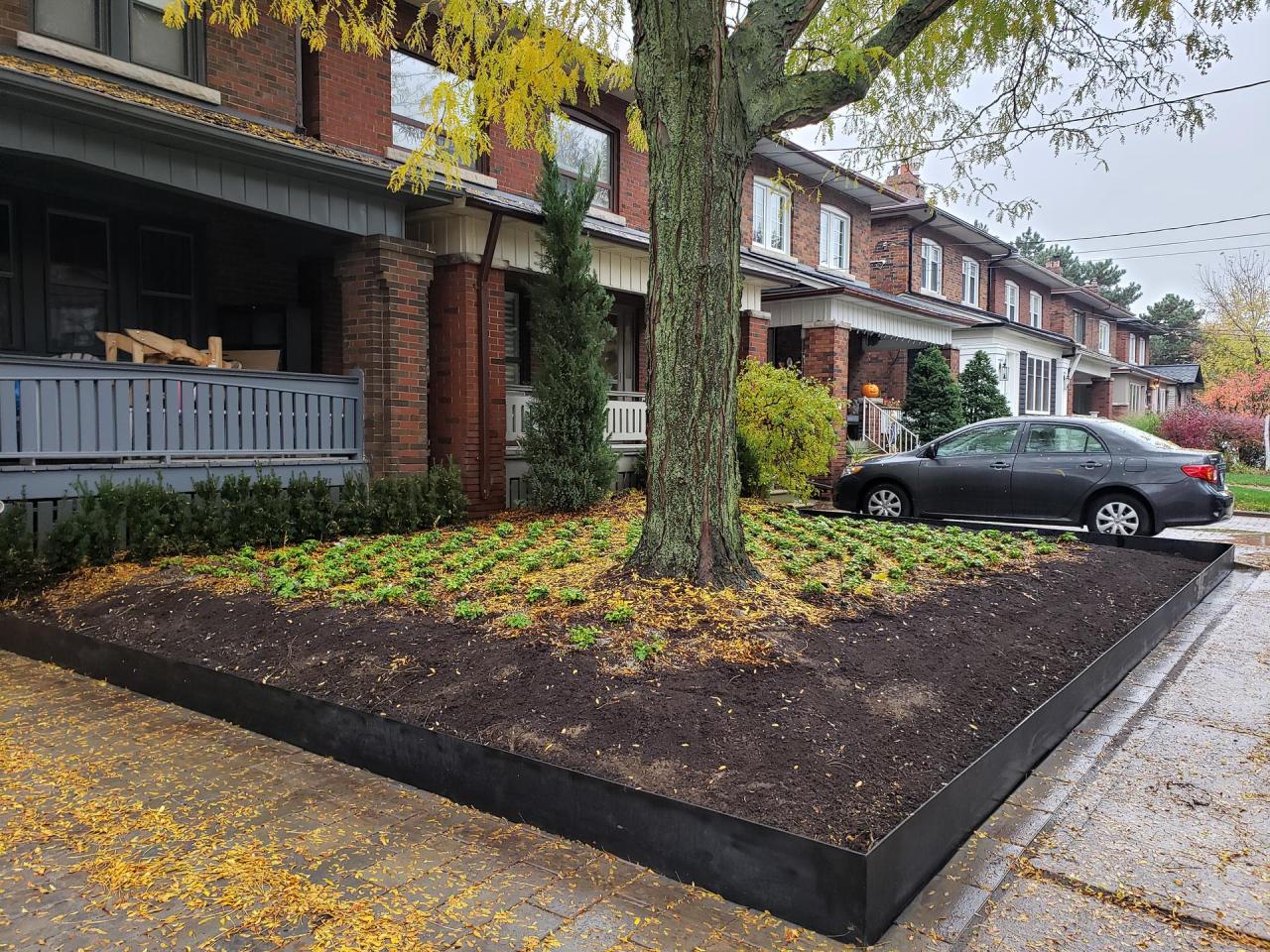
Source: art-metal.ca
Corrugated corten steel panels offer a unique blend of aesthetic appeal and durability. Their distinctive weathering characteristics contribute to a visually engaging presence, while their inherent corrosion resistance ensures longevity. Proper maintenance strategies are crucial to preserving the panels’ structural integrity and aesthetic appeal over time.
The inherent properties of corten steel, a weathering steel, enable it to form a protective layer of rust that prevents further corrosion. This self-healing characteristic is a key factor in the panel’s longevity. However, understanding the weathering process and implementing appropriate maintenance routines is vital to maximizing the panel’s lifespan.
Corrosion Resistance and Longevity
Corten steel’s unique composition allows it to undergo a controlled oxidation process, forming a passive layer of rust that effectively inhibits further corrosion. This “patina” acts as a protective barrier, shielding the underlying steel from the elements. This self-healing aspect of corten steel is a significant advantage, contributing to its extended lifespan. Examples of this longevity are seen in historical structures and infrastructure projects where corten steel has been used, exhibiting impressive resistance to deterioration over decades.
Weathering Characteristics and Appearance Evolution
The weathering process of corten steel is characterized by the formation of a reddish-brown patina. The initial stages often display a more active oxidation process, leading to a potentially rougher surface texture. Over time, the patina smooths out and the color deepens, developing a rich, complex tone. The rate of this weathering process depends on various environmental factors, including humidity, temperature, and the presence of pollutants. Understanding these weathering characteristics allows for anticipatory maintenance and helps ensure the aesthetic integrity of the panels over time.
Maintenance Guide
Maintaining the aesthetic and structural integrity of corten steel corrugated panels requires a strategic approach.
- Cleaning: Regular cleaning is essential to remove accumulated debris, salt, or other contaminants. Mild detergents and water are typically sufficient for most cleaning tasks. Avoid harsh chemicals or abrasive materials that could damage the protective patina.
- Repair: Minor damage, such as dents or scratches, can be repaired using appropriate patching materials. For more extensive repairs, consult with a qualified professional. Proper repair methods are crucial to prevent further damage and maintain the panel’s structural integrity.
- Protective Measures: Consider using protective coatings, such as clear sealants, in high-moisture or corrosive environments to prevent premature deterioration. These measures can extend the lifespan of the panels and maintain their visual appeal.
Expected Lifespan
The lifespan of corten steel corrugated panels is influenced by various environmental factors, including climate, exposure to pollutants, and the presence of moisture. The table below provides an estimated lifespan range, acknowledging that these figures are approximations.
| Climate Zone | Estimated Lifespan (Years) | Factors Influencing Lifespan |
|---|---|---|
| Coastal Regions (high humidity, salt spray) | 20-30 | Higher corrosion rates due to salt spray and moisture |
| Industrial Areas (high pollution) | 25-40 | Pollution accelerates the oxidation process, impacting the patina formation rate |
| Rural/Suburban Areas (moderate humidity, low pollution) | 35-50 | Lower exposure to corrosive elements allows for a longer lifespan |
| Desert Regions (low humidity, high temperature) | 40-60 | Low moisture content slows down corrosion rates, leading to a prolonged lifespan |
Last Word: Corten Steel Corrugated Panels
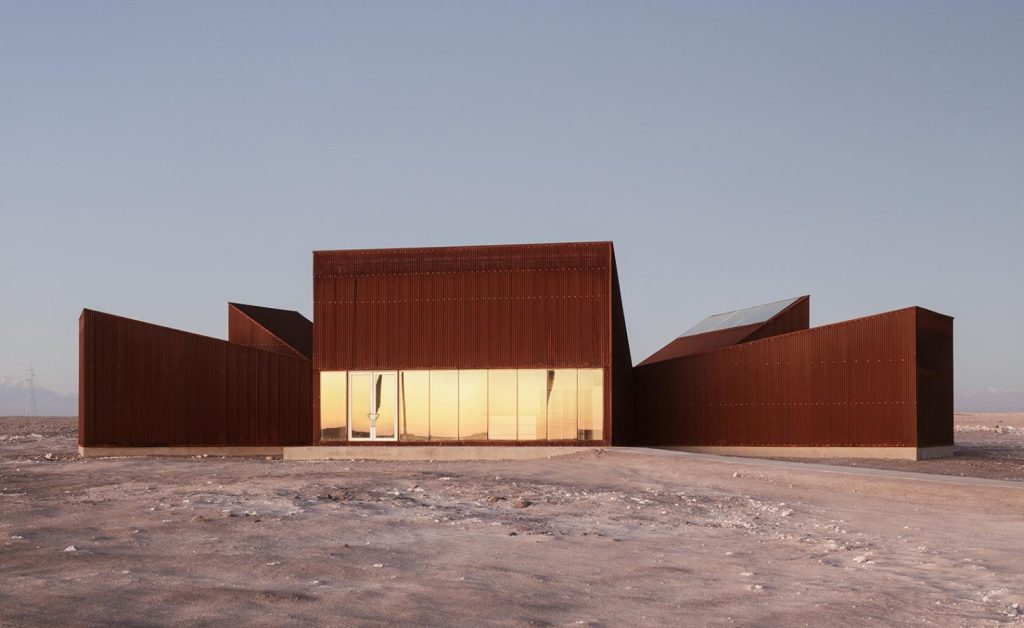
In conclusion, corten steel corrugated panels represent a compelling choice for modern construction due to their unique combination of aesthetics and durability. From their manufacturing process to their performance and maintenance, this guide has provided a comprehensive understanding of these panels. Their versatility and longevity make them a valuable asset in various building projects, and with proper care, they can contribute to the long-term success of any structure. The comparative analysis and detailed information presented here equip you with the knowledge to confidently incorporate these panels into your construction plans.