Stone Basement Walls Crumbling A Comprehensive Guide
Stone basement walls crumbling is a common problem, often stemming from a combination of environmental factors and structural issues. This guide delves into the causes, from moisture damage and tree root intrusion to insufficient foundations and poor drainage. We’ll explore various assessment methods, including visual inspections and non-destructive testing, to determine the extent of the damage. Furthermore, we’ll cover effective repair and restoration techniques, ranging from repointing to complete replacement, along with a comparison of costs and timelines.
Understanding the factors contributing to crumbling stone walls is crucial for effective preventative measures. This comprehensive guide will equip you with the knowledge and tools to address this issue proactively. Proper waterproofing, drainage, and regular maintenance will be highlighted as key elements in preserving the structural integrity and longevity of your stone basement walls. Learning to identify early signs of deterioration is essential for timely intervention and minimizing costly repairs.
Causes of Crumbling Walls: Stone Basement Walls Crumbling

Source: shunshelter.com
Stone basement walls, a common feature in many structures, are susceptible to deterioration over time. Understanding the factors contributing to this crumbling is crucial for preventative maintenance and structural preservation. Proper assessment and remediation strategies can significantly extend the lifespan of these walls and ensure the safety of the building.
Various factors contribute to the deterioration of stone basement walls. The inherent properties of the stone itself, combined with environmental stresses and structural inadequacies, can lead to significant damage. Understanding these contributing factors allows for proactive measures to mitigate the risk of extensive and costly repairs.
Types of Stone and Their Vulnerability
Different types of stone exhibit varying degrees of susceptibility to deterioration. Granite, known for its hardness and resistance to weathering, tends to perform well in most conditions. However, softer stones like limestone or sandstone are more vulnerable to erosion and chemical reactions. The presence of porous materials within the stone structure also increases its susceptibility to moisture penetration and subsequent damage.
Environmental Factors Affecting Stone Walls
Environmental conditions play a significant role in the deterioration of stone basement walls. Water, in particular, acts as a catalyst for chemical reactions and physical degradation within the stone. Repeated cycles of freezing and thawing, common in many climates, can cause expansion and contraction within the stone, leading to cracking and fracturing. Temperature fluctuations, while less direct than water damage, can contribute to stress and degradation over time. Moreover, exposure to pollutants in the air can also accelerate the deterioration process. For example, acidic rain can significantly erode limestone structures.
Structural Issues and Their Effects
Insufficient foundation support or poor drainage systems are frequent causes of structural problems in stone basement walls. A poorly constructed foundation or one that is inadequate for the load placed upon it can cause uneven settlement, putting stress on the walls and leading to cracks and buckling. Inadequate drainage around the foundation can lead to excessive moisture buildup, accelerating the degradation process described earlier. Improper construction techniques, such as inadequate waterproofing or the use of inferior materials, can create significant vulnerabilities.
Moisture Damage and Waterproofing
Moisture penetration is a critical factor in damaging stone basement walls. Water seeps into the pores of the stone, where it can participate in chemical reactions with minerals within the stone. These reactions can weaken the stone’s structure, leading to the formation of salts that can cause expansion and cracking. Proper waterproofing, encompassing measures like a robust foundation, drainage systems, and exterior wall coatings, is paramount in mitigating moisture damage. Examples of poor waterproofing include exposed joints in the walls, a lack of a proper cap over the wall to divert water away, and using an inappropriate material for the waterproofing layer. Proper implementation of waterproofing solutions is crucial to preserving the structural integrity of stone basement walls.
Impact of Tree Roots
Tree roots, while aesthetically pleasing, can have a detrimental impact on the structural integrity of stone walls. As roots grow, they exert pressure on the surrounding soil, which can lead to the movement of the foundation and the cracking of the walls. Identifying the presence of encroaching tree roots requires careful inspection of the foundation and the surrounding area. Addressing this issue involves removing the roots or diverting them away from the foundation. This issue can be especially pertinent to areas with significant tree coverage. An example of this problem is the cracking and displacement of stone walls due to the root growth of nearby trees.
Assessment and Diagnosis
Evaluating the condition of crumbling stone basement walls requires a systematic approach, combining visual inspections with non-destructive testing methods. This process allows for accurate assessment of damage extent and identification of underlying causes, leading to informed decisions about repair strategies.
Comprehensive Inspection Checklist
A thorough inspection checklist is crucial for identifying visible signs of damage and potential underlying issues in stone basement walls. This checklist should include systematic observations of the wall’s surface, searching for any indications of deterioration. Specific areas to examine include mortar joints, stone surfaces, and the overall structural integrity of the wall.
- Visual Inspection: Carefully examine the entire wall surface for cracks, spalling, discoloration, efflorescence, and signs of moisture penetration. Note the location, size, and type of any observed damage.
- Mortar Analysis: Inspect mortar joints for deterioration, crumbling, or voids. Observe the condition of the mortar, identifying any signs of missing or deteriorated mortar. Note the depth and extent of any issues.
- Stone Condition: Evaluate the condition of individual stones for signs of damage, such as cracks, missing pieces, or deterioration. Pay attention to the degree of damage to the stone itself, including any signs of weathering.
- Moisture Detection: Employ moisture meters or other tools to identify areas with high moisture content. This is vital to assess the presence of water intrusion, which is a frequent contributor to stone deterioration.
- Structural Integrity: Assess the overall structural stability of the wall, looking for signs of leaning, bulging, or settlement. Observe any structural deformation or displacement.
Damage Assessment Methods
Assessing the extent of damage involves employing both visual inspection and non-destructive testing techniques. These techniques aid in evaluating the depth and severity of damage without causing further harm to the structure. Non-destructive methods are crucial for evaluating the internal integrity of the stonework.
- Non-Destructive Testing: Techniques like ultrasonic testing or ground penetrating radar can be used to determine the depth of cracks and voids within the stonework. These methods help identify hidden structural issues that are not visible on the surface.
- Moisture Mapping: Utilize moisture meters or specialized equipment to pinpoint areas of high moisture content. Moisture mapping aids in identifying sources of water intrusion and the extent of its influence on the structure.
- Load Testing (in cases of significant structural concern): Applying controlled loads to specific areas of the wall, under careful supervision, can assess the structural capacity of the wall. This procedure should be undertaken by qualified professionals.
Damage Type, Cause, and Recommended Action
The following table lists Artikels’ common types of damage, their potential causes, and suggested corrective actions. This information provides a framework for understanding the potential reasons for wall deterioration and appropriate repair strategies.
| Type of Damage | Probable Cause | Recommended Action |
|---|---|---|
| Cracking | Freezing and thawing cycles, inadequate foundation, or soil settlement | Repair cracks with appropriate materials and address underlying causes, like foundation reinforcement. |
| Spalling | Freeze-thaw cycles, water intrusion, or poor quality stone | Repair spalled areas, addressing the moisture issues, and possibly replacing damaged stones. |
| Efflorescence | Water penetration and salt crystallization | Control water intrusion, seal the wall to prevent further water absorption, and consider chemical treatments to remove salts. |
| Mortar Deterioration | Chemical reactions, moisture, or poor quality mortar | Replace deteriorated mortar with high-quality, appropriate mortar type, and consider waterproofing measures. |
Documentation Procedure
Thorough documentation of the inspection process is essential for accurate assessment and informed decision-making. Detailed records help track the progression of damage and guide repair strategies.
- Detailed Descriptions: Document the type, location, and extent of each observed damage in a clear and comprehensive manner. This includes the size and orientation of cracks, the extent of spalling, and the location of moisture penetration.
- Photographs and Sketches: Take clear photographs of the damaged areas, including close-ups of cracks, spalling, and other visual indicators. Include sketches to illustrate the layout of the damage and its relationship to other parts of the wall. Record the date and time of the inspection and the names of individuals involved.
- Data Collection: Compile data related to moisture readings, non-destructive testing results, and any other relevant measurements. Keep a record of the materials used for the testing and their specifications.
Repair and Restoration Options
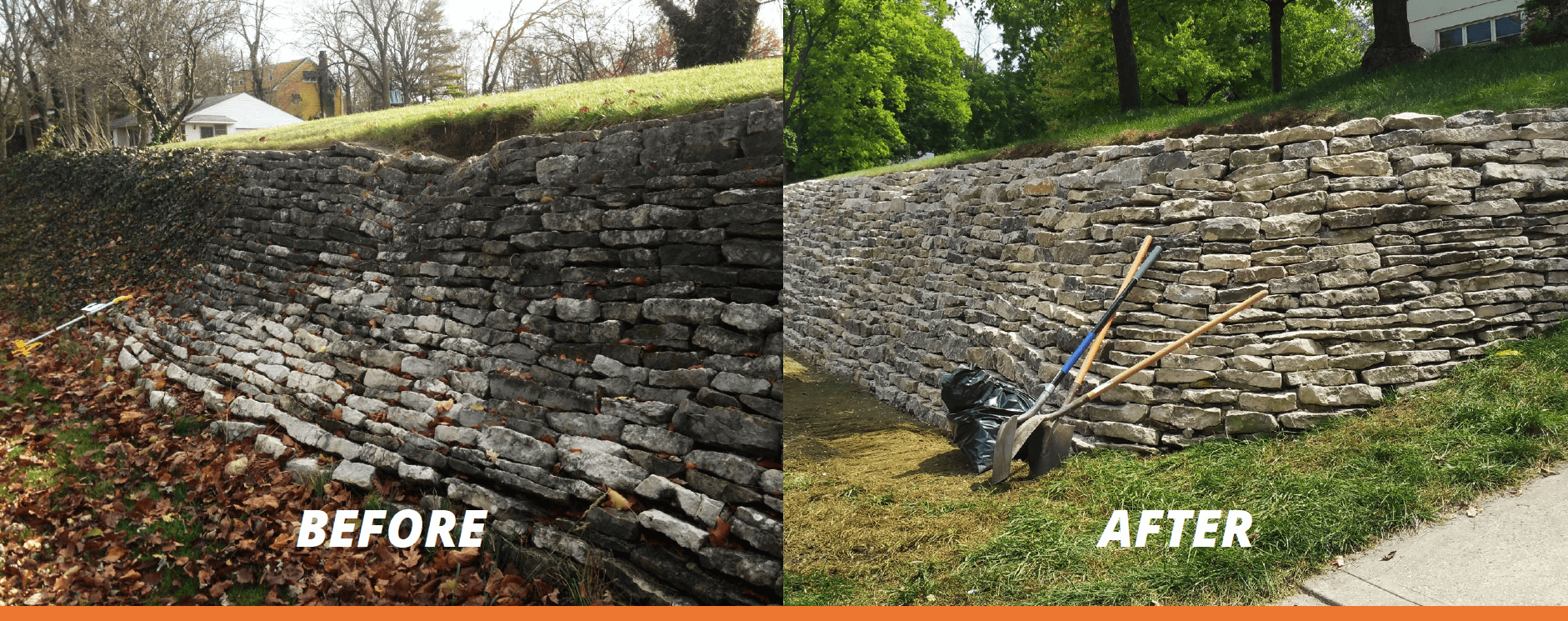
Addressing crumbling stone basement walls necessitates a careful evaluation of repair options, factoring in the specific condition of the stone, the extent of damage, and the desired aesthetic outcome. A range of methods exists, each with varying levels of complexity, cost, and longevity. Choosing the appropriate approach is crucial for ensuring a durable and aesthetically pleasing restoration.
Repointing
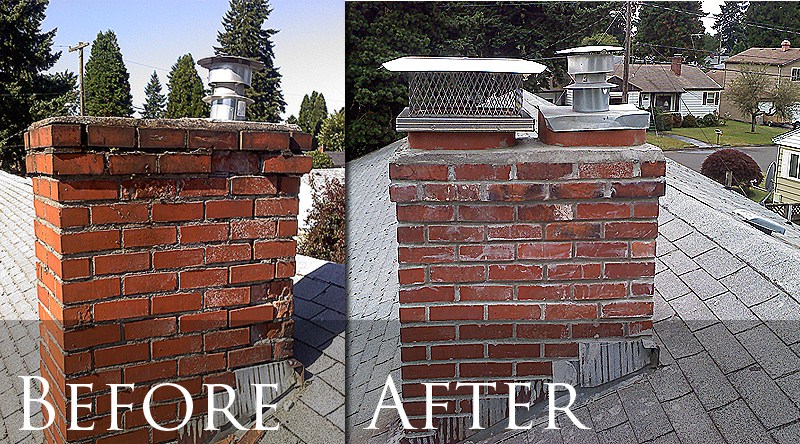
Repointing involves replacing the mortar between the stones. This is a common and often cost-effective method for addressing minor to moderate damage. The existing mortar, which has likely deteriorated, is removed, and fresh mortar is inserted. This process focuses on restoring the structural integrity and waterproofing of the wall.
- Steps Involved: Thoroughly remove the deteriorated mortar, ensuring a clean and precise separation between the stones. This may require specialized tools depending on the nature of the damage. Prepare the stonework by cleaning and ensuring a level surface for the new mortar. Mix the mortar according to the manufacturer’s instructions, using appropriate proportions of cement, lime, sand, and water. Carefully fill the gaps with the mortar, ensuring a tight and even seal. The mortar should be properly leveled and smoothed, allowing for adequate curing time. Thorough cleaning and sealing after curing are essential.
- Materials Used: High-quality mortar appropriate to the stone type, tools for removing the old mortar, and tools for applying and smoothing the new mortar. Specific types of cement, lime, and sand will be selected based on the stone’s properties and the local climate. A sealant may be needed to protect the stone from future water damage.
- Time Required: Repointing can vary from a few days for small sections to several weeks for larger areas, depending on the extent of the damage and the size of the project. Curing time for the mortar is a significant factor. Several days or even weeks may be required to ensure complete curing and hardening of the mortar.
Tuckpointing
Tuckpointing is a more involved approach, particularly for restoring visually significant stonework. It focuses on restoring the original aesthetic and improving the appearance of the wall. In tuckpointing, the mortar is not only replaced but is shaped to match the original style or desired aesthetic.
- Steps Involved: Similar to repointing, the deteriorated mortar is carefully removed. The new mortar is then shaped to replicate the original tuckpointing pattern. Careful attention to detail is crucial for maintaining the historical integrity or desired aesthetic. The mortar is carefully sculpted and finished to match the original style or desired aesthetic.
- Materials Used: High-quality mortar matching the original or desired aesthetic, tools for removing old mortar, tools for shaping the new mortar, and potentially a sealant for protection.
- Time Required: Tuckpointing typically takes longer than repointing due to the extra time required for shaping and finishing the mortar to match the original style. The time required will depend on the size of the area, the complexity of the tuckpointing pattern, and the level of detail required.
Replacement
In severe cases, sections of the stone may require replacement. This approach is usually reserved for significant structural damage or when other methods are ineffective. It’s crucial to use matching stones or replicas for a seamless integration with the existing wall.
- Steps Involved: Careful assessment of the damaged area is critical to determine the extent of the replacement. Appropriate tools for removing the damaged stones are needed. A professional mason will select and cut matching stones or replicas. The new stones are carefully installed and integrated with the existing wall, ensuring structural integrity and a visually cohesive result.
- Materials Used: Matching stones, tools for stone cutting, installation tools, and potentially a sealant for waterproofing.
- Time Required: Replacement is the most time-consuming method, potentially requiring several weeks or months, depending on the size of the damaged area and the availability of matching stones.
Comparison Table
| Technique | Estimated Cost | Time Required | Expected Lifespan |
|---|---|---|---|
| Repointing | ModerateA few | w days to several weeks | 15-25 years with proper maintenance |
| Tuckpointing | High | Several weeks to months | 20-30 years with proper maintenance |
| Replacement | High | Several weeks to months | 50+ years with proper maintenance |
Importance of Materials and Techniques
The selection of materials and techniques significantly impacts the longevity and success of the restoration. Using high-quality materials, appropriate to the stone type and local climate, is crucial for preventing future deterioration. Skilled masons employing proper techniques are essential for ensuring structural integrity and a visually appealing outcome. Ignoring these aspects can lead to further damage and necessitate more extensive and costly repairs in the future.
Prevention and Maintenance
Preserving the integrity of stone basement walls hinges on proactive measures and consistent maintenance. Neglecting these aspects can lead to costly repairs and structural compromises. A well-maintained stone wall is not only aesthetically pleasing but also a testament to sound building practices.
Proper preventative measures are crucial for extending the lifespan of stone basement walls and mitigating future damage. These measures encompass aspects like drainage, waterproofing, and regular maintenance schedules. By addressing these factors, homeowners can significantly reduce the likelihood of costly repairs down the road.
Proper Drainage Systems
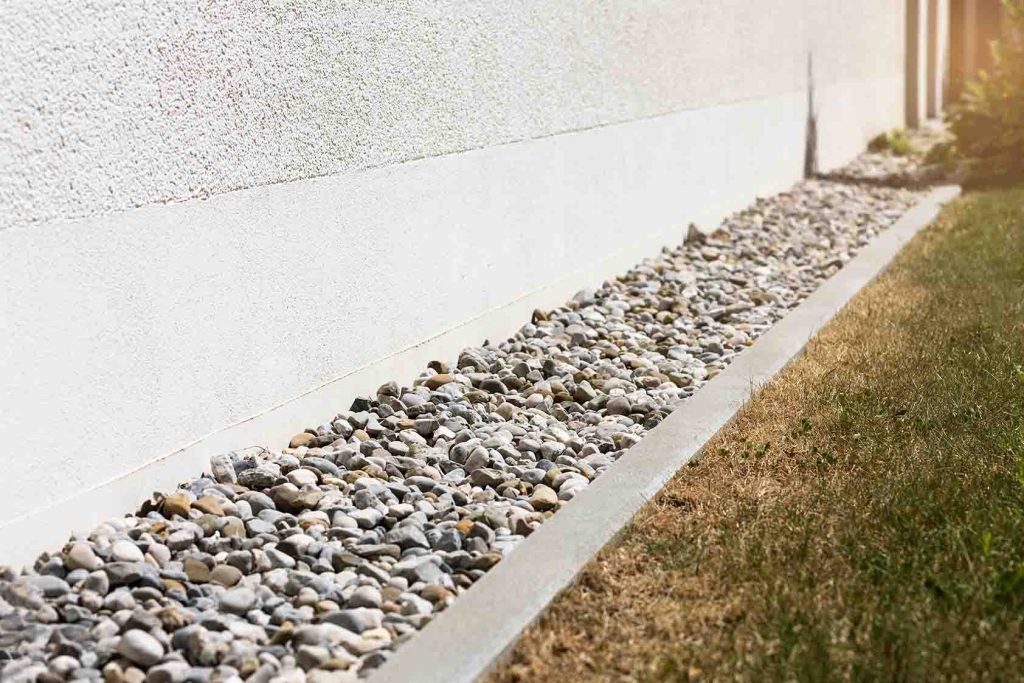
Adequate drainage is fundamental to preventing water damage. Water pooling against the foundation can lead to significant deterioration of stonework, especially in areas with high rainfall or fluctuating water tables. Effective drainage systems should divert water away from the foundation, preventing saturation and promoting a dry environment. Examples include French drains, gravel-filled trenches, and properly graded landscaping. These systems, designed and implemented correctly, effectively manage water flow and contribute to the longevity of the basement walls.
Waterproofing Techniques
Waterproofing is a critical element in the long-term preservation of stone basement walls. Water penetration can cause moisture damage, leading to deterioration and potentially compromising the structural integrity of the foundation. Applying waterproof coatings or membranes to the walls, especially around joints and cracks, can effectively prevent water from entering the stonework. This approach acts as a barrier against water penetration, maintaining the structural integrity of the basement and extending its lifespan.
Regular Maintenance Schedules, Stone basement walls are crumbling.
Establishing a regular maintenance schedule is vital for identifying and addressing minor issues before they escalate. Visual inspections, conducted at least twice a year, should include examining the walls for signs of moisture, cracking, or loose stones. These inspections allow for the early detection of potential problems, facilitating prompt intervention and minimizing the extent of damage. Regular inspections are a cost-effective strategy for preventing significant issues and maintaining the structural soundness of the stone walls.
Maintenance Tips for Stone Walls
Maintaining moisture levels is essential for preventing deterioration. Controlling humidity and ensuring proper ventilation within the basement can prevent moisture accumulation. Excessive moisture can lead to mold growth and deterioration of the stone. Regularly checking and maintaining proper ventilation is an important aspect of maintaining the structural integrity of the basement walls. Maintaining adequate ventilation within the basement can effectively prevent the accumulation of moisture and reduce the risk of damage to the stone walls.
Controlling extreme temperatures can also play a role in protecting stone walls. Rapid temperature fluctuations can cause expansion and contraction, potentially leading to cracks and damage. Insulating the basement walls or using materials that insulate against temperature fluctuations can help mitigate this issue. Using appropriate insulation or temperature-resistant materials can help maintain the structural integrity of the stonework by minimizing temperature-related stress.
Identifying Early Signs of Deterioration
Early detection of minor issues is crucial for preventing significant problems. Regular inspection should focus on recognizing early warning signs, such as subtle cracks, discoloration, or loose stones. Addressing these issues promptly can prevent them from escalating into major structural concerns. By being proactive and observant, homeowners can prevent minor issues from becoming significant structural problems and maintain the long-term integrity of the stone basement walls.
Examples of Minor Repairs
Addressing minor issues promptly is a key aspect of preventative maintenance. Examples include repairing small cracks with appropriate patching materials, replacing loose stones, or sealing gaps around penetrations. Implementing these measures can prevent the propagation of these issues, protecting the stonework and its structural integrity. Early intervention is crucial to prevent minor issues from becoming significant structural problems. By taking proactive steps, homeowners can ensure the longevity and integrity of their stone basement walls.
Closing Summary
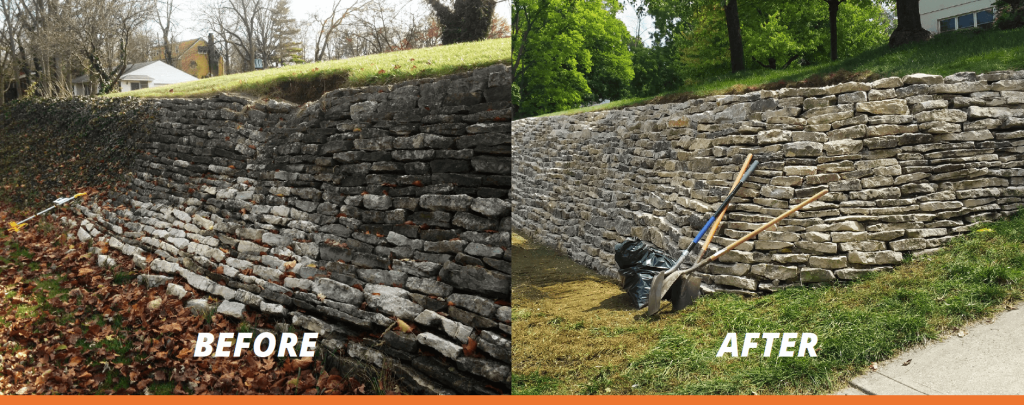
In conclusion, addressing crumbling stone basement walls requires a multifaceted approach, encompassing thorough assessment, targeted repair, and proactive maintenance. This guide has provided a detailed overview of the various causes, assessment methods, repair options, and preventative measures. By implementing the strategies Artikeld, you can effectively restore and maintain the structural integrity of your stone basement walls, ensuring their longevity and preserving the value of your property.